




















Hello, your privacy is important to us. Uniview websites use cookies to store info on your device and create the most secure and effective website . By continuing to use our websites, please accept the cookies could be stored on your device, which outlined our cookie policy and privacy policy .






_1036463_651984_0.png)








 X
X
 GLOBAL / ENGLISH


Motion sensor CCTV cameras perform exceptionally well during the bright daylight hours. When the sun goes down, this reliability often disappears. Nighttime conditions drastically reduce optical clarity. Old equipment interprets shadows and digital grain as physical movement, sending out constant notifications for nothing.
This guide breaks down the mechanics of low-light imaging. You will discover how advanced sensors and intelligent processing filter out environmental noise to keep security alerts highly accurate.
Operating a security layout in complete darkness introduces severe physical limitations for standard optical equipment. Without enough ambient light, basic cameras struggle to separate a true subject from the background.
Traditional infrared cameras drop all color details at night, turning the entire feed into a muddy gray feed. It always seems like every flying bug in the neighborhood finds the exact location of your glowing infrared camera. The bright infrared glow acts as a magnet for swarms of insects, while rain or snow reflects that light directly back into the lens. These environmental reflections create a flood of false alerts.
Dark environments force standard cameras to amplify the video signal, which introduces heavy digital noise. These grainy pixel shifts look exactly like moving objects to older detection software. The system then triggers a notification, misinterpreting static background noise as a person walking through the yard.
When a system cannot tell the difference between a falling leaf, a passing stray animal, and an actual intruder, property owners get overwhelmed. Frequent false alarms eventually lead to alarm fatigue. Security guards simply start ignoring the notifications, leaving the premises completely vulnerable to real threats.
Fixing these nighttime errors requires a combination of larger physical hardware components and updated internal software. Letting more light hit the sensor changes the baseline quality of the video feed.
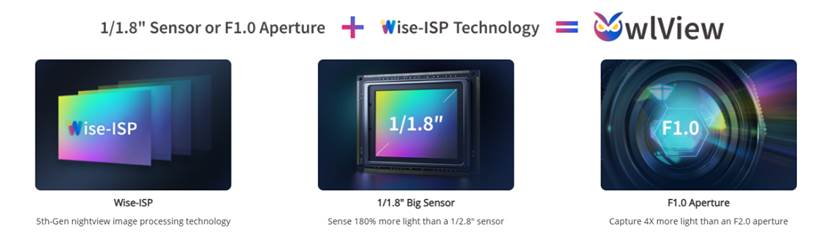
Standard cameras usually rely on a 1/2.8 inch sensor. Upgrading to a 1/1.8 inch big sensor allows the device to collect 180% more light. This massive increase in light collection gives the internal processor a clean, detailed foundation to analyze.
The lens aperture acts as the pupil of the camera. An F1.0 ultra-large aperture collects four times more light than a standard F2.0 aperture. A wider opening allows the camera to maintain a fast shutter speed, freezing the motion of a passing car without creating blurry trails.
Specification | Standard CCTV Hardware | Advanced Low Light Hardware | Real World Benefit |
Sensor Size | 1/2.8 inch | 1/1.8 inch | Senses 180% more light |
Lens Aperture | F2.0 | F1.0 | Collects 4X more light |
Min. Illumination | Higher Lux | 0.0003 Lux | Vivid color without LED lights |
Raw hardware needs intelligent algorithms to clean up the final image. Advanced processing clears away the remaining dark spots and sharpens the edges of objects. A sharp outline gives the internal detection software exactly what it needs to accurately classify a target.
Having a bright image is a great start, but retaining vivid color information at night totally transforms how motion sensors operate. Color contrast makes target identification incredibly precise.
Ultra motion detection techniques focus strictly on finding humans and vehicles within the frame. With a clear color image, the camera filters out swaying trees and passing dogs, achieving a 90% or higher detection rate for valid targets.
Running a security system without glaring white floodlights minimizes the sense of being monitored. More importantly, skipping the bright LED lights stops bugs from swarming the lens. You eliminate one of the biggest causes of midnight false alarms right at the source.
Supplemental lighting only brightens the immediate foreground and causes color loss at a distance. Advanced low-light technology keeps every detail vividly colored, even from afar. You get a reliable record of vehicle paint or clothing colors for fast back-end searches.
Taking these core principles and building them into a unified product lineup creates a highly dependable nighttime defense network.
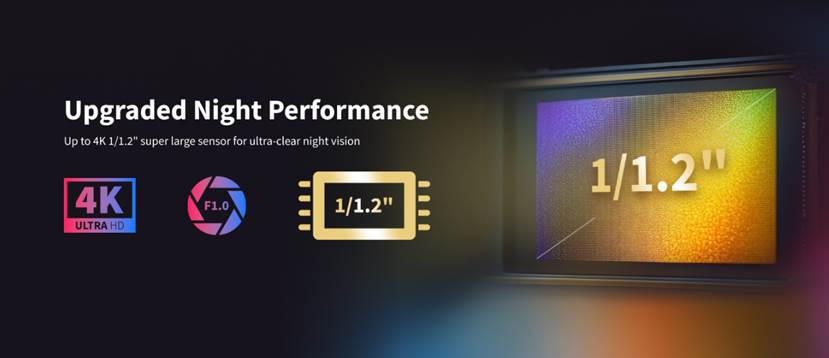
The 5th-generation image processing engine, known as Wise-ISP, processes minimal ambient lighting to generate bright results. This technology produces full-color images in ultra-low-light environments down to 0.0003 Lux without activating any LED lights.
By setting up a full screen configuration, the ultra motion detection system extends its reliable detection distance beyond 20 meters. It ignores background clutter and only sends a notification when a car pulls up or a person walks through the gate.
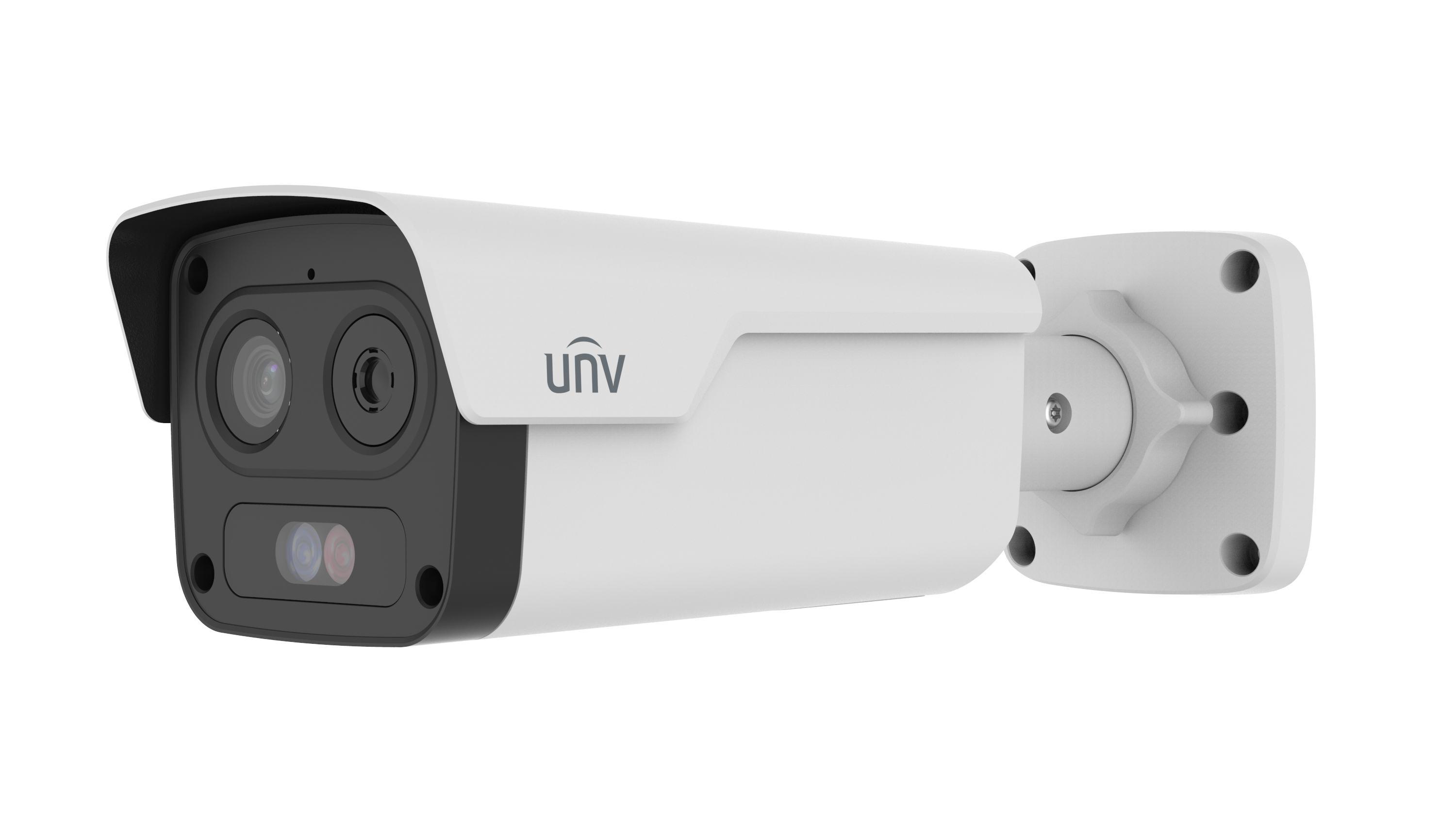
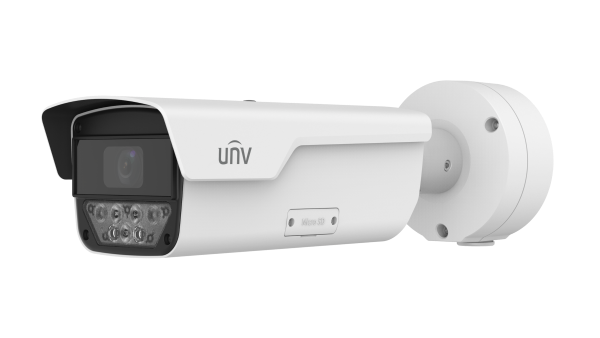
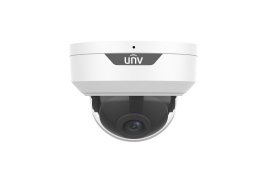
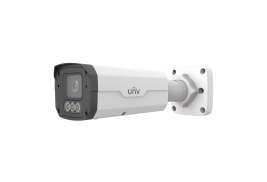
Quality software only works if the physical housing survives the weather. Devices like the pack the F1.0 lens and smart detection features into an IP67 water and dust proof metal housing.
Even the most expensive low-light camera will fail if you mount it poorly. Proper physical setup and software calibration seal the gaps in your security plan. A single spider web blowing in the wind can ruin an otherwise perfect setup.
Mounting a camera too high flattens the perspective, making it difficult for the software to recognize a human shape. You need an angle that clearly captures the profile of moving subjects. A slight tilt downwards avoids blinding streetlights while keeping the target in the center of the frame.
Do not let the camera monitor the entire street. Set up specific cross line detection and intrusion detection areas. By drawing a virtual fence around your driveway, you apply false alarm filtering to everything outside that strict boundary.
A small water droplet near the lens catches ambient light and ruins the contrast of the video feed. Rely on IP67 rated equipment to block heavy rain and withstand harsh environments, and routinely wipe the glass clean so the intelligent processor receives a pristine view of the yard.
Building a complex network of low-light cameras requires a manufacturer with proven global reach and a commitment to long-term reliability.
Unlimited New View operates with a massive footprint, covering over 200 countries and regions worldwide. With over 14 years of unlimited exploration in the security sector, this global provider builds a safer world based on pure professionalism and reliable hardware.
Every property has different demands. The available industry solutions successfully cover transportation hubs, commercial centers, healthcare facilities, and retail chains. Applying the right intelligent video technology keeps the total cost of ownership incredibly low.
Installers looking for a profitable business relationship can join the Dealer Partner Program. The program provides distinct membership levels, including Certified, Silver, Gold, and Platinum, based on purchase volumes. It also features a strict MSRP structure to maintain a healthy margin for integrators working on local projects.
Q1: Why do standard cameras send false alarms at night?
A: They confuse digital noise and environmental reflections for actual physical movement.
Q2: How does a larger sensor help with night vision?
A: A 1/1.8 inch sensor collects 180% more light than a standard 1/2.8 inch sensor, creating a brighter base image.
Q3: What makes Wise-ISP different from standard night vision?
A: It generates full-color images in 0.0003 Lux environments without using LED lights, which stops bugs from gathering around the lens.
Q4: How accurate is ultra motion detection?
A: It filters out animals and swaying branches to focus strictly on human and vehicle targets, hitting a 90% or higher detection rate.
Q5: Why is IP67 protection necessary for low-light cameras?
A: It keeps water and dust out of the housing, stopping moisture from blocking the lens and confusing the detection algorithms.