











Hello, your privacy is important to us. Uniview websites use cookies to store info on your device and create the most secure and effective website . By continuing to use our websites, please accept the cookies could be stored on your device, which outlined our cookie policy and privacy policy .






_1036463_651984_0.png)





 X
X
 GLOBAL / ENGLISH


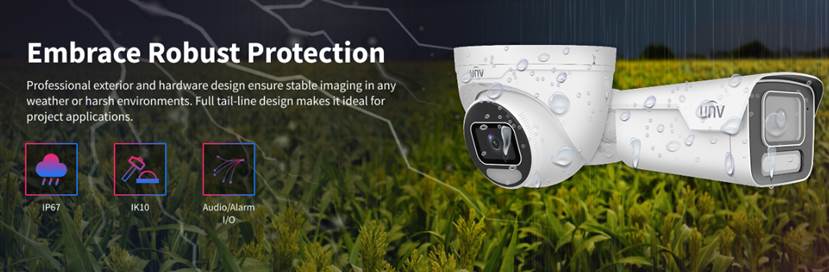
Night alerts should help you act faster, not make your team ignore every push message after a week. In many CCTV projects, the real problem is not a lack of motion alerts. It is too many weak alerts caused by rain, insects, headlights, shadows, moving branches, or low-quality night images. A practical motion sensor CCTV camera should filter routine scene changes, record clear evidence at night, and send alerts only when the event deserves attention.
This guide explains how to choose a night alert camera for shops, warehouses, parking areas, campuses, residential projects, and industrial sites. The focus is simple: fewer false alarms, clearer night video, faster review, and a better long-term user experience.
A useful night alert system starts with a clear alarm logic. The camera should not treat every pixel movement as an emergency. It should separate meaningful motion from background noise and give you usable video when something happens.
Traditional motion detection often reacts to any movement. That may be acceptable for a small indoor room, but it becomes painful outdoors. A better option is intelligent filtering for people, motor vehicles, and non-motor vehicles. This allows the camera to send alerts mainly when a relevant target enters the scene, rather than when rain crosses the lens.
In the company’s product knowledge base, Ultra Motion Detection is described as sending alarms only when a person or vehicle is detected, with full-screen configuration, 20m+ detection distance, and 90%+ detection rate. That type of filtering is important for night work, because low light already makes manual judgment harder.
A camera should support alarm rules such as intrusion area, cross-line movement, enter-area events, and leave-area events. These rules help you focus on the gate, fence line, loading dock, shop entrance, or storage aisle.
This matters because not all motion has the same value. A truck passing on the street may not matter. A person crossing a warehouse boundary after closing time does. Rule-based zones make alerts more relevant and reduce the number of notifications that staff must review.
An alert is weak if the video is too dark, overexposed, or colorless in important areas. Staff may still need to open the video, replay it, zoom in, and guess what happened. That creates alert fatigue in a quieter way.
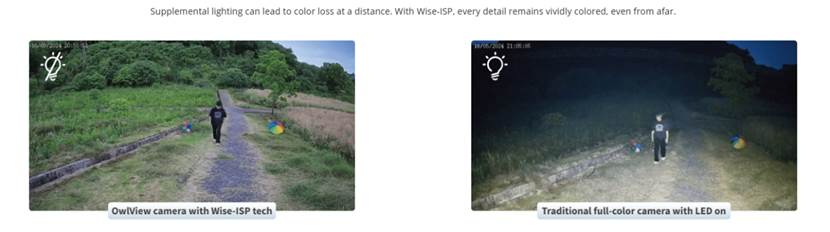
For low-light projects, Wise_Isp is worth attention because it is designed for clearer full-color night imaging. In the knowledge base, the 5th-generation night view technology is connected with full-color images in ultra-low-light environments, reduced light pollution, and stronger detail retention at night.
Night alerts are not only about detection. Image quality decides whether the alert can be judged quickly. Better low-light imaging reduces wasted review time, especially when one operator handles many cameras.
Full-color night imaging helps identify vehicle color, clothing color, direction, and scene context more easily. This does not mean every site needs constant white light. In fact, continuous bright light may disturb nearby residents or customers.
A camera using Wise_Isp can support color output with a small amount of light, so the site can keep lower visual disturbance while still gaining clearer night records. This is useful for hotel entrances, apartment walkways, parking lanes, and logistics yards.
Sensor and lens design matter. The knowledge base states that a 1/1.8" sensor captures 180% more light than a 1/2.8" sensor, while an F1.0 aperture captures four times more light than an F2.0 aperture. It also lists minimum illumination down to 0.0003 lux for ultra-low-light color output. These numbers are not decorative. They directly affect whether the camera can produce usable night video before stronger lighting is needed.
Selection Point | Data From Product Knowledge | Why It Matters for Night Alerts |
Large Sensor | 1/1.8" sensor captures 180% more light than 1/2.8" | More light helps reduce dark, noisy footage |
Large Aperture | F1.0 captures 4X more light than F2.0 | Better night clarity with less added light |
Minimum Illumination | Down to 0.0003 lux | Better color output in very low light |
Ultra Motion Detection | 20m+ distance, 90%+ detection rate | Fewer irrelevant alerts in practical scenes |
Heat Dissipation | Graphene front cover, 50% faster heat dissipation | Better stability for long night operation |
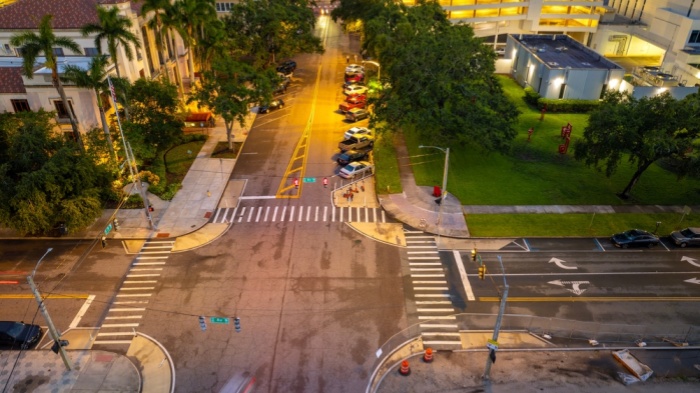
Night sites often have mixed lighting. A parking entrance may have dark corners and strong headlights in the same frame. A shop entrance may have glass reflection and bright signage. For these cases, look for WDR, HLC, and ROI settings.
The product information lists 120dB WDR for strong light contrast, HLC for reducing headlight glare, and ROI for keeping important areas clear while lowering detail elsewhere. In simple terms, the gate and driveway should stay readable, even when the background is not perfect.
A motion sensor CCTV camera should fit your alarm policy, not force your team to adapt to poor settings. Before purchasing, check whether the camera and recorder can work together for rules, storage, search, and alarm review.
Smart Intrusion Prevention helps reduce false alarms by focusing on people, motor vehicles, and non-motor vehicles. It is especially useful for perimeter lines, private lanes, shop back doors, and warehouse boundaries.
The company’s park solution notes that Smart Intrusion Prevention can significantly reduce false alarms and focus on key target categories. For buyers, this means the alarm setting becomes more useful in daily work, not just more advanced on paper.
Ultra Motion Detection is suitable when you want simpler setup but still need fewer useless alerts. It can be a good fit for small shops, office entrances, store rooms, and low-complexity warehouses.
The practical rule is this: use standard motion detection only for very controlled indoor areas. Use Ultra Motion Detection or Smart Intrusion Prevention where weather, light, and public movement create noise.
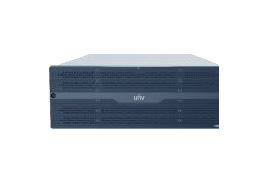
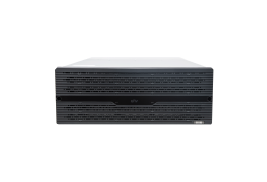
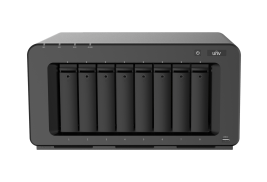
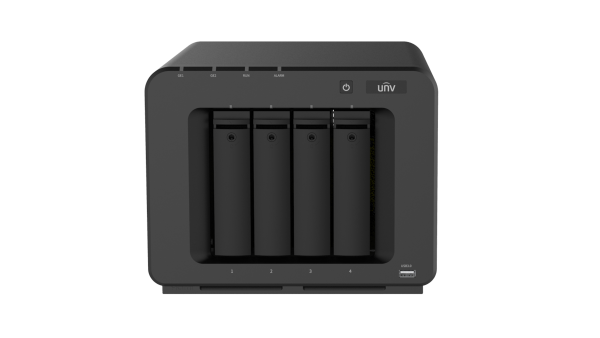
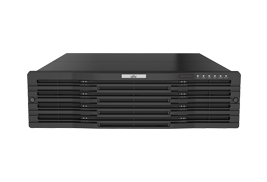
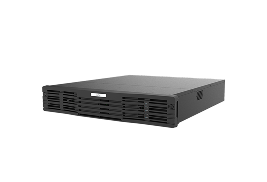
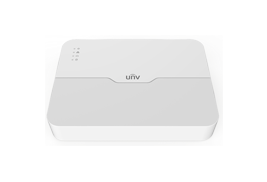
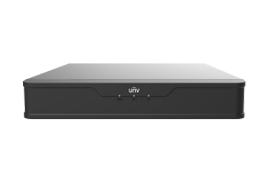
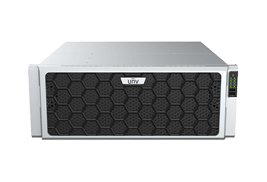
Alert fatigue also comes from slow review. Choose cameras that work well with NVRs, mobile apps, and video management software. The knowledge base notes that IP cameras are usually used with NVRs, can be operated through a mobile app, and can store video on the recorder. It also describes NVR options with RAID, hot swapping, redundant power, and smart functions by recorder.
For a multi-camera project, this is not a small detail. Fast playback, event search, stable storage, and clear alarm records save labor every night.
Active deterrence can stop an event earlier, but it must be used carefully. Constant lights or loud warnings can annoy staff, tenants, and neighbors. The best setup triggers deterrence only when the camera rule confirms a meaningful event.
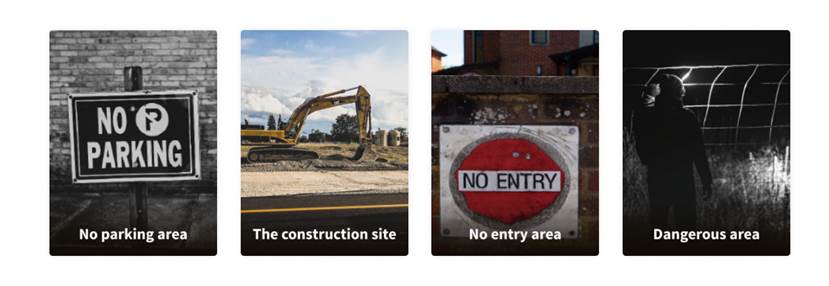
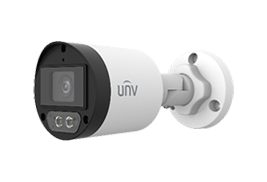
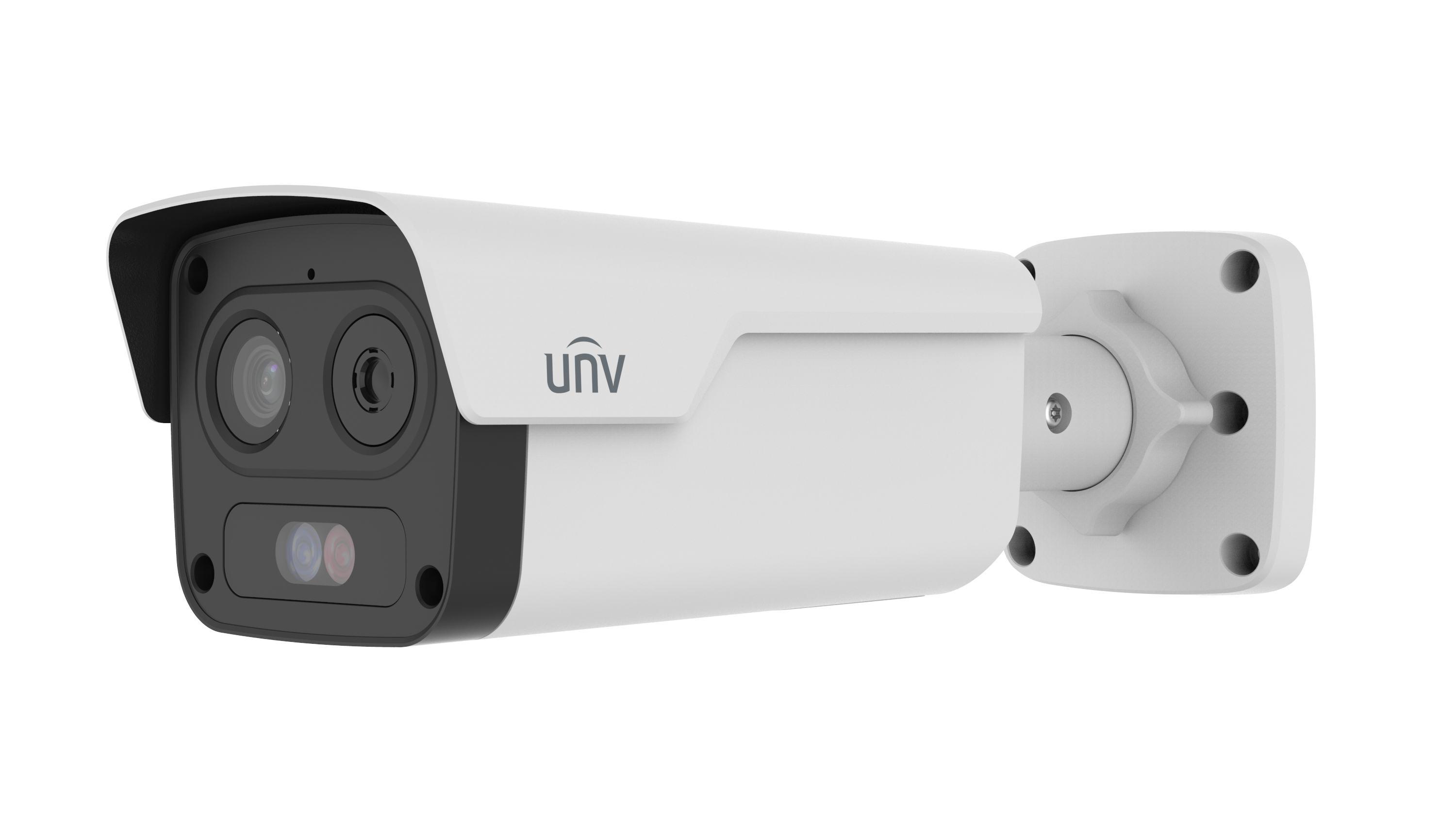
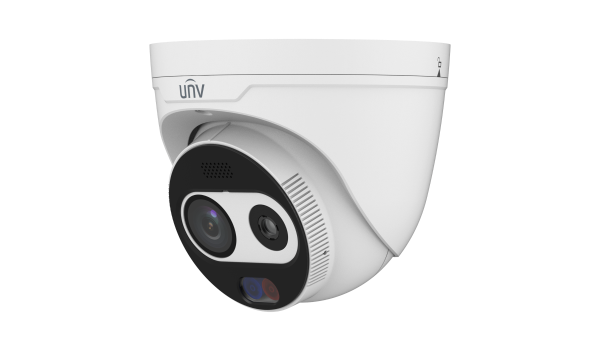
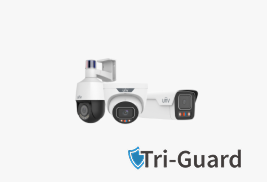
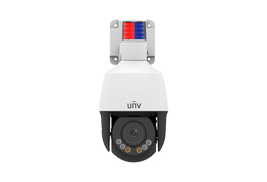
Tri-Guard_2.0 is designed for projects that need not only recording, but also on-site warning. It combines intelligent detection, full-color imaging, and active deterrence in one camera type. For night use, red and blue warning lights can be more noticeable than ordinary white light, especially in low-visibility outdoor areas.
Active warning should be linked to clear trigger rules. For example, a camera can stay quiet during normal motion but activate light and sound when a person or vehicle crosses a restricted line after business hours.
This keeps the system polite during normal work and firm when it matters. In many B2B sites, that balance decides whether users keep alarm functions turned on after installation.
A warehouse perimeter may need stronger warning. A hotel corridor or residential entry may need a softer alert plan. A parking area may need lighting, while an office lobby may only need a push alert and video record.
That is why Tri-Guard_2.0 should be selected with scene rules, schedule settings, and audio plans, not only by camera resolution.
Different sites produce different false alarms. A good selection plan starts from the risk area, not from the camera model alone.
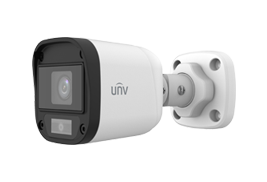
For shops and office entrances, choose compact cameras with clear night imaging, two-way audio if needed, mobile alarm review, and simple NVR connection. Easy installation matters because branch staff may change often, and daily use should not require long training.
Warehouses need stronger filtering, longer night distance, stable storage, and perimeter rules. The company’s case materials include warehouse and industrial projects using hundreds of cameras, NVRs, VMS platforms, and perimeter coverage. One factory case notes 4MP resolution, 50m IR distance, and PoE extension up to 250m for long-distance perimeter installation.
For this type of project, combine low-light cameras with Wise_Isp, active deterrence where needed, and a recorder that can handle event search and long storage.
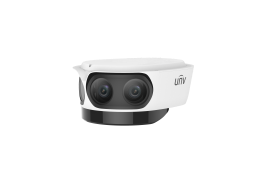
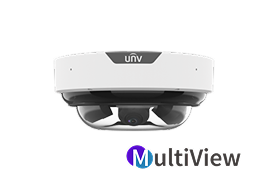
Parking areas and internal roads have headlights, mixed traffic, reflective plates, and people walking near vehicles. Choose cameras with WDR, HLC, strong night clarity, and vehicle-related functions. For wider areas, panoramic or multi-view cameras can reduce blind spots and installation cost, because one camera can cover more angles than several single-lens units.
For project buyers, camera selection is only one part of the decision. Delivery ability, model range, local support, and long-term firmware service also affect final cost. Unlimited New View provides a broad video security and intelligent product ecosystem through its global product platform, covering cameras, PTZ products, NVRs, VMS, storage, display, and entry solutions.
The company’s technology resources include night imaging, active deterrence, intelligent filtering, video storage, and system management. This gives integrators room to build a small shop system, a warehouse alarm system, or a multi-site operation plan without mixing too many disconnected products.
According to the company profile materials, the business covers more than 200 countries and regions, has 21 overseas branch offices, and works with 20,000+ partners globally. The knowledge base also lists 110+ airport cases, 540+ industrial park cases, 300+ commercial landmark cases, 2,900+ residential cases, 900+ ground transportation cases, and 660+ school cases.
Business Capability | Knowledge Base Data | Buyer Value |
Global Coverage | 200+ countries and regions | Easier rollout for cross-region projects |
Overseas Branches | 21 | Better local service access |
Partner Network | 20,000+ partners | More support for dealers and integrators |
R&D Investment | 10% annual revenue | Faster product updates |
R&D Team Share | 50% of employees | Stronger product development depth |
Manufacturing Capacity | 70,000 m² China base, 20 million units per year | Better supply stability |
Warehouses | 5 global warehouses | Faster regional delivery |
Project success depends on more than camera selection. Site planning, model matching, configuration guidance, and after-sales response all affect the final result. Buyers can start from the Solutions by Industry section to compare typical layouts for warehouses, retail sites, residential areas, campuses, parking areas, and other night alert scenarios.
The company profile also helps project teams check global service capability before purchase. With overseas branches, localized service resources, training support, and RMA service, the company is better prepared to support multi-site CCTV projects where delivery time, maintenance, and technical response matter.
Installers and resellers that plan long-term cooperation can also refer to the Dealer Partner Program. It provides product training, project registration, local support, technical guidance, and partner resources, helping project teams reduce delays during deployment and serve end users with a more stable support process.
For night alert projects, the selection path should stay practical: choose Wise_Isp when low-light clarity and reduced light disturbance matter most; choose Tri-Guard_2.0 when accurate alerts also need visible and audible on-site deterrence.
Q1: What Is the Best Motion Sensor CCTV Camera for Night Alerts?
A: The best choice should combine low-light clarity, person and vehicle filtering, rule-based alarm zones, stable storage, and fast playback. For dark outdoor sites, a camera with Wise_Isp is a strong option. For sites that need on-site warning, Tri-Guard_2.0 is recommended.
Q2: How Can a CCTV Camera Reduce False Night Alerts?
A: It should use intelligent filtering, intrusion zones, cross-line rules, WDR, HLC, and strong low-light imaging. These functions reduce alerts caused by weather, headlights, insects, and background movement.
Q3: Is Full-Color Night Video Better Than Infrared?
A: Full-color night video is better when you need color details, clothing color, vehicle color, and clearer context. Infrared can still work for basic night recording, but color detail is often more useful during review.
Q4: When Should Active Deterrence Be Used?
A: Active deterrence is suitable for perimeters, warehouse yards, parking areas, and after-hours entry points. It should be triggered by meaningful rules, not by every motion event.
Q5: What Should B2B Buyers Check Before Ordering?
A: Check low-light performance, alert filtering, alarm rules, WDR or HLC, storage options, mobile review, installation distance, weather rating, warranty support, and whether the supplier can provide project selection guidance.