











Hello, your privacy is important to us. Uniview websites use cookies to store info on your device and create the most secure and effective website . By continuing to use our websites, please accept the cookies could be stored on your device, which outlined our cookie policy and privacy policy .






_1036463_651984_0.png)





 X
X
 GLOBAL / ENGLISH


Motion sensor CCTV has become a basic part of modern site protection, but night performance is still a major concern for buyers. A camera may trigger an alarm when movement happens, yet the recorded image may still be too dark, too flat, or only black and white. For projects such as warehouses, parking areas, retail entrances, school corridors, hotel outdoor areas, and residential gates, color detail at night can make event review much easier.
The direct answer is simple: no camera can create real color from absolute darkness without any light at all. Color needs light. However, many real night environments are not truly light-free. They may have weak street light, reflected light, moonlight, corridor light, sign light, or light from nearby buildings. In these low-light conditions, advanced night imaging can make a large difference. This is where Wise-ISP and OwlView technology become highly relevant for motion sensor CCTV projects.
A motion sensor CCTV system has two jobs at night. First, it must notice movement. Second, it must record useful video for review. Many low-cost devices do the first job but fail at the second one. A video clip that only shows a moving shadow does not help much when color, clothing, vehicle paint, bag color, or direction of movement matters.
True total darkness means there is no visible light for the camera sensor to collect. In that condition, real color information is not available. A camera can use infrared for black-and-white night images, or it can use warm light or white light to add light to the scene. But without any light source, color cannot be naturally recorded.
This is why the better buying question is not only “Can it see color in total darkness?” A more practical question is: “How well can it keep color detail when the site has only a tiny amount of light?”
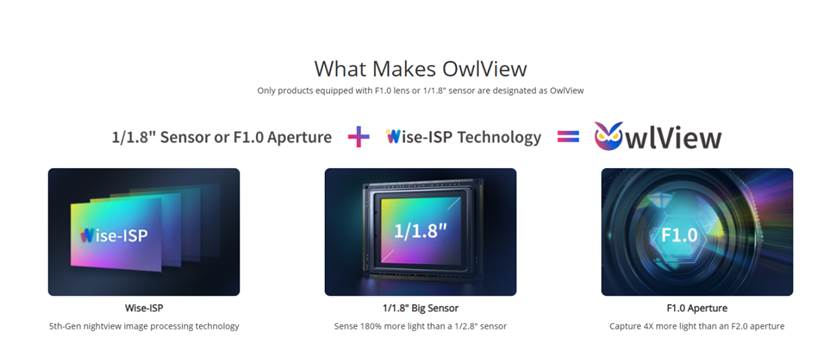
Low-light color imaging depends on sensor size, aperture, image processing, and the quality of the camera’s night algorithm. The OwlView series is positioned for optimal night performance with fifth-generation Wise-ISP technology. The attached product knowledge notes that OwlView combines Wise-ISP with either an F1.0 lens or a 1/1.8-inch sensor, and that the 1/1.8-inch sensor captures 180% more light than a 1/2.8-inch sensor while an F1.0 aperture collects four times more light than an F2.0 aperture.
Motion alerts tell you that something happened. Color evidence helps you review what happened. These are not the same.
For a warehouse entrance, a black-and-white clip may show a cart passing through a gate. A color clip can help review the cart color, package label color, worker vest color, or vehicle body color. In a retail back door area, color can help staff compare what happened with store records. In a residential entrance, it helps property teams check details faster without replaying the same short clip again and again.
Night security video is not only about brightness. Too much light may wash out nearby details, while too little light may leave the background useless. A balanced night image should keep color, reduce harsh glare, and show detail across more of the scene.
Low-Light Imaging Factor | Ordinary Night Color Camera | OwlView with Wise-ISP | Real Data to Use |
Light Collection by Sensor | Usually depends more on supplemental light | 1/1.8-inch sensor supports stronger low-light capture | 1/1.8-inch sensor captures 180% more light than a 1/2.8-inch sensor |
Light Collection by Aperture | Smaller aperture limits night color detail | F1.0 aperture allows more light into the camera | F1.0 aperture captures 4X more light than an F2.0 aperture |
Minimum Illumination | Often needs stronger visible lighting for color | Designed for ultra-low-light color imaging | Color image performance down to 0.0003 Lux |
Color Range at Night | Color is often limited to the LED lighting range | Full-screen full-color night imaging | Traditional LED-assisted full-color cameras may lose 50% of background details, while OwlView is not limited by supplemental light range |
Light Disturbance | Visible LED lighting may disturb nearby areas | Uses small available light to keep color detail | Wise-ISP helps reduce light pollution and supports colorful images without always activating LED lights |
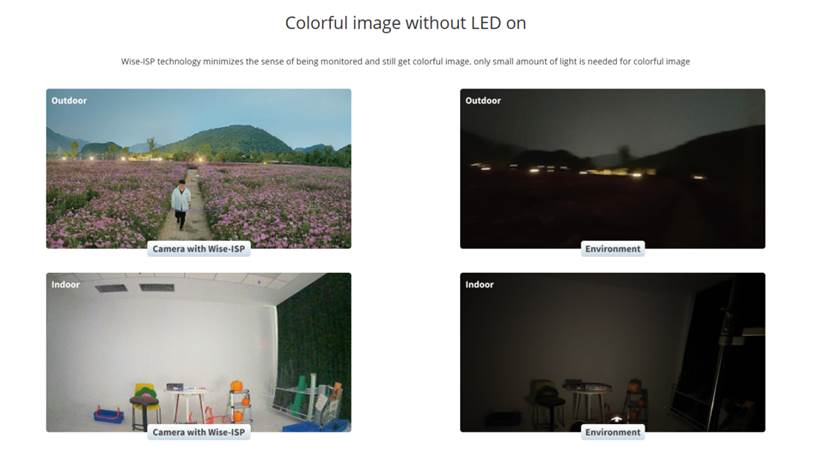
Wise-ISP is described in the product knowledge as fifth-generation nightview image processing technology. It is built to support full-color images in ultra-low-light environments without always activating LED lights. This matters because some sites cannot use strong visible light throughout the night, especially hotels, residential areas, school dormitory zones, and customer-facing retail spaces.
Traditional full-color CCTV often depends on supplemental lighting. That can work, but it may bring new problems: light pollution, uncomfortable glare, and a very obvious camera presence. It may also brighten the front area while the back area remains dark.
The knowledge base states that OwlView with Wise-ISP can reduce light pollution and still get colorful images when only a small amount of light is available. That is a practical benefit for sites where night security should not disturb normal activity. It is not magic. It is better use of available light.
A common issue with LED-assisted cameras is color loss at a distance. The nearby area may be bright, while the background loses useful detail. OwlView is described as delivering real full-screen color images at night, no longer limited by the range of supplemental light. This gives a more balanced result for corridors, outdoor gates, small roads, and perimeter paths where events do not always happen close to the lens.
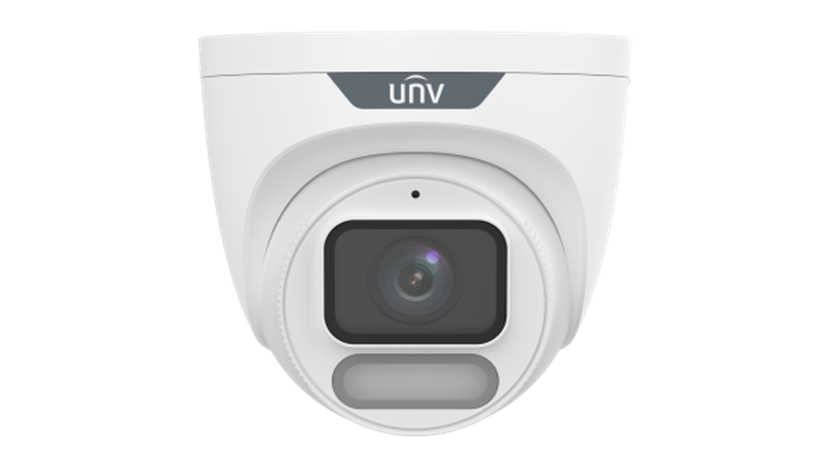
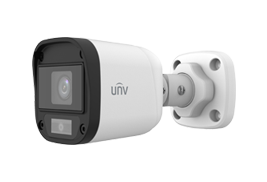
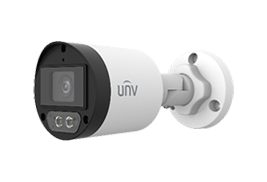
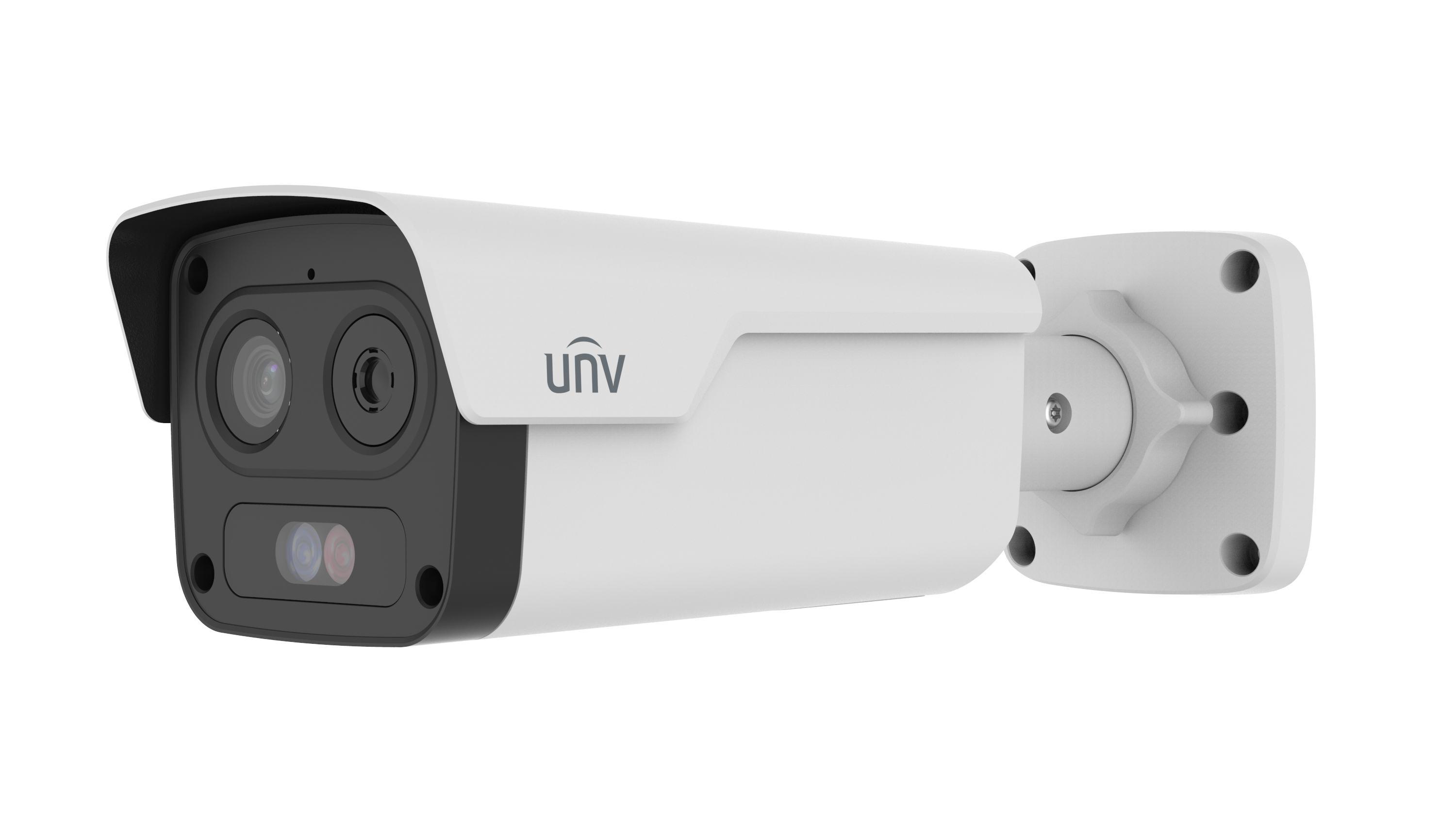
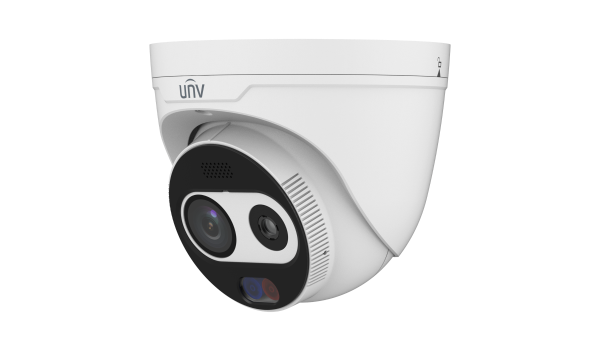
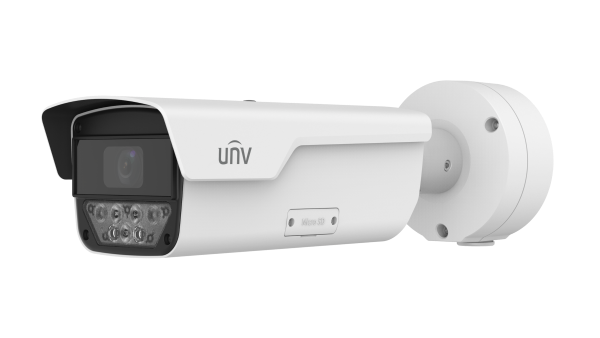
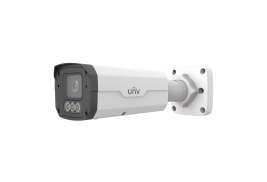
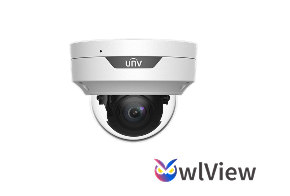
A good motion sensor CCTV camera should not rely on one selling point. Resolution, low-light hardware, weather protection, audio, storage, and installation design all matter in real projects. The IPC3624LE-ADF28(40)K-WP fits this type of requirement because it is built around OwlView night performance rather than basic night recording.
The model name points to a 4MP camera, and that resolution is suitable for many commercial and light project applications. It gives more detail than basic 2MP models while keeping system cost and storage needs reasonable. For small warehouse doors, school corridors, shopfronts, car park lanes, and hotel service entrances, 4MP is often a practical middle ground.
It is also easier for technicians to work with a camera that does not need a complicated setup every time. In the company’s wider product knowledge, IP cameras are usually used with NVRs, can be operated through the mobile app UNV-Link, and can store video on the NVR. That fits common project habits.
The key reason to consider this model is its night imaging foundation. The OwlView design standard uses F1.0 large aperture or a 1/1.8-inch big sensor together with Wise-ISP. A larger aperture lets more light reach the sensor. A larger sensor can gather more light and help keep detail in weak light. This is exactly what many motion sensor CCTV projects need when night clips must still show color.
For buyers comparing options, the IPC3624LE-ADF28(40)K-WP is a stronger choice than a basic infrared-only camera when color review matters.
Night cameras are often installed outside, near entrances, loading areas, or open corridors. Dust, rain, heat, and daily exposure can shorten service life if the camera is not built well. The OwlView series knowledge highlights IP67 water and dust protection, metal housing, built-in mic, graphene front cover for faster heat dissipation, and a balance between night vision and price.
These details are not fancy decoration. They affect daily operation. A camera that overheats less, resists dust and rain, and captures audio around the scene can reduce maintenance visits and make review work less painful.
Most buyers do not buy motion sensor CCTV for specifications alone. They want fewer missed events, clearer review clips, easier installation, and lower long-term maintenance pressure. A strong night color camera can help with these concerns, especially where security teams or store managers must check video often.
Unclear night records waste time. Staff must replay clips, compare multiple angles, or ask for manual checks. With better low-light color, the first review is often more useful. The knowledge base notes that 120dB WDR helps cameras handle sharp contrast between light and dark areas, and HLC helps reduce headlight glare at night.
This is useful for gates, vehicle lanes, glass doors, and areas with strong indoor-outdoor contrast.
Strong visible lighting may be fine for a factory perimeter, but it is not always welcome in a hotel garden, apartment entrance, school corridor, or storefront. Wise-ISP helps reduce the need for obvious LED lighting in low-light scenes. Less intrusive lighting can make the site feel more natural while still keeping usable color records.
For many installers, this is one of the small details that customers notice after installation. The camera works, but the light is too bright. A low-light color solution reduces that complaint.
The attached successful cases show why easy review matters. In one warehouse project, the customer needed to check package scanning, conveyor belt condition, and packages left in an area for too long. In a retail chain project, mobile access and simple use were important because staff change often and cannot spend too much time learning the system.
Color night video supports the same goal: faster review, less confusion, and less back-and-forth.
Color night motion sensor CCTV is not needed everywhere. Some storage rooms only require basic black-and-white night recording. But for entrances, open areas, roads, and customer-facing sites, color at night can bring real value.
Warehouses need clear night records at loading bays, doors, conveyor areas, and inner roads. The knowledge base includes warehouse and logistics cases where thousands of camera channels, 120dB WDR, plug-and-play setup, central management, NVR systems, and video walls were used for large operating networks.
For smaller projects, the logic is the same. A camera such as IPC3624LE-ADF28(40)K-WP can be placed at key points where night movement and color detail both matter.
Retail security often depends on simple operation. Store staff may not be technical, and managers need quick access to records. The knowledge base notes retail projects where mobile app access, easy use, WDR, IPC, NVR, and CMS software formed complete systems.
The solutions by industry page is useful for buyers who want to match product choice with site type rather than buying cameras one by one with no plan.
Hotels, schools, and residential sites care about safety, but they also care about comfort. Excessive lighting can cause complaints. Basic black-and-white video may not be enough for entrances, dormitory corridors, parking gates, or public walkways.
The knowledge base includes education and hotel cases where high-resolution cameras, IP67 protection, ANR storage protection, VMS, NVR, and efficient storage were used to keep systems stable and easier to maintain.
Product choice is only one part of a CCTV project. Buyers also need support before installation, during installation, and after handover. Unlimited New View offers a broad product ecosystem and project support path through its company profile and technology page.
The company knowledge base states that the product lines include Video Security, Storage & Network, VMS, Intelligent Edge Small Station, Display & Control, Smart Access, IT Product, and Energy Storage. It also notes wide global coverage, 21 overseas branch offices, 200+ countries and regions, localization in 70+ countries, and more than 20,000 partners globally.
That broad range matters when a project grows from a few cameras to a complete site system with NVR, software, display, and access devices.
Unlimited New View supports projects with presale consultants, after-sales service, demo tests, training, RMA service, and marketing support. The knowledge base also notes R&D strength, including 2 R&D institutes, 6 R&D centers, over 10% annual revenue invested in R&D, and 50% of employees in R&D departments.
For buyers, that means product design is backed by a wider service structure, not only a camera catalog.
For channel partners, the Dealer Partner Program provides a structured path. The partnership knowledge base mentions product and solution support, project authorization, local support teams, technical centers, local warehouses, RMA centers, training, project registration, presale solution design, in-sale guidance, remote debugging, on-site support for complex systems, a 24/5 service hotline, and up to 5 years warranty support on a case-by-case basis.
If you need motion sensor CCTV that can deliver stronger color records at night, the better answer is not a generic camera. Choose low-light hardware, a proven night algorithm, project-ready support, and a product that fits the actual site. For many commercial projects, Wise-ISP and OwlView give a practical path to clearer night color without relying only on strong visible lighting.
Q1: Can Motion Sensor CCTV See Real Colors in Total Darkness?
A: No. Real color needs light. In complete darkness, a camera cannot collect natural color information. However, in very low light, Wise-ISP and OwlView technology can help produce clearer color images by making better use of available light.
Q2: Is Wise-ISP the Same as Ordinary Night Vision?
A: No. Ordinary night vision often depends on infrared or strong supplemental lighting. Wise-ISP is fifth-generation nightview image processing designed for full-color performance in ultra-low-light conditions, with less need for obvious LED lighting.
Q3: Where Should Color Night Motion Sensor CCTV Be Installed First?
A: Start with key points such as main entrances, loading bays, car park lanes, service doors, corridors, and perimeter roads. These areas usually need both motion alerts and clear color records at night.