

















Hello, your privacy is important to us. Uniview websites use cookies to store info on your device and create the most secure and effective website . By continuing to use our websites, please accept the cookies could be stored on your device, which outlined our cookie policy and privacy policy .






_1036463_651984_0.png)






 X
X
 GLOBAL / ENGLISH


The global security landscape is undergoing a profound structural transition as traditional methods of property protection prove insufficient against sophisticated entry tactics. For many years, typical security layouts functioned purely as retrospective visual recorders, collecting evidence only after property damage or asset loss had occurred. Today, commercial facility managers and system integrators require a proactive framework that addresses security breaches in real time, stopping unauthorized activities at the perimeter boundary.
Transitioning an organization toward a preventative security model involves a systematic upgrade of legacy hardware and software components. This comprehensive guide outlines the precise steps required to implement a modern active deterrence network, ensuring optimal threat mitigation and minimized operational latency.
The baseline requirements for physical property protection have shifted significantly away from passive documentation toward instantaneous threat expulsion. Relying on outdated security frameworks leaves valuable commercial assets exposed to immediate danger prior to manual intervention by local guards. Modern physical security operations demand a responsive infrastructure capable of processing incoming environmental variables at the edge, shifting field equipment from simple digital witnesses into proactive containment networks.
Traditional property protection networks act primarily as archival logging setups, capturing video data of property breaches without offering any direct physical resistance. Security teams often discover security incidents hours after they have occurred, which severely decreases asset recovery rates and increases insurance overhead. Furthermore, older pixel-based motion capture configurations frequently suffer from high false alarm rates, triggered by harmless ambient movement such as wind-blown debris, changing shadows, or small animals. This continuous stream of non-critical alerts leads to severe notification fatigue among security personnel, causing operators to overlook critical warnings and rendering the entire protective grid inefficient.
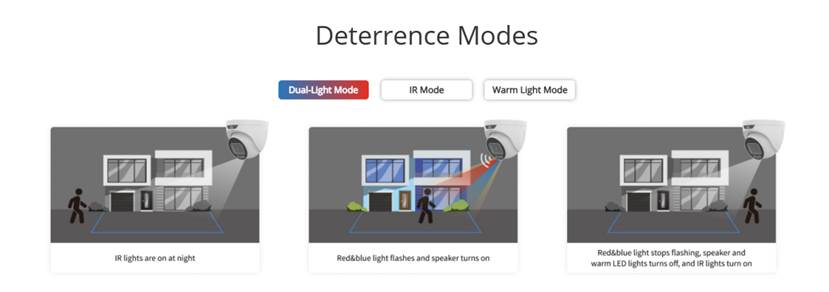
Preventative site protection operates through a reliable combination of high-precision target verification and real-time site deterrence. Modern edge-based hardware utilizes advanced mathematical classification algorithms to separate human profiles and vehicular paths from background environmental disturbances. Upon validating a genuine security boundary breach, the camera immediately initiates localized deterrence mechanisms. High-visibility light arrays and synchronized acoustic speakers project an immediate warning signal directly at the target zone, turning a covert entry attempt into a high-visibility incident and discouraging unauthorized individuals before they can reach critical infrastructure.
The operational landscape in 2026 requires security architectures to perform with extreme functional autonomy and minimal network dependency. Local setups must feature edge-based processing nodes capable of scanning dense traffic zones without constantly relying on expansive central cloud storage bandwidth. Properties experience intricate cross-line challenges that require sub-second processing speeds to guarantee instant site verification. By transitioning legacy installations into unified, intelligent deterrence setups, facilities realize much higher protection coefficients and establish long-term resilience against modern operational risks.
Upgrading an existing physical protection layout begins with a comprehensive audit of present operational weaknesses and site limitations. System components must be systematically tested against current intrusion methods and challenging environmental variables to locate critical defensive gaps. A thorough vulnerability assessment ensures that your organization directs capital investments precisely toward resolving verified infrastructure vulnerabilities.
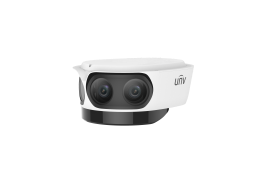
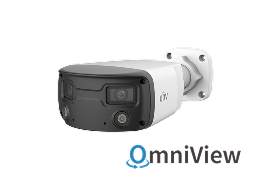
Expansive industrial or commercial complexes often feature vast spatial expanses that generic, narrow-angle security lenses fail to monitor continuously. Standard field installations frequently contain hidden tracking gaps near loading docks, storage facilities, or auxiliary gates where visual continuity is broken. Documenting physical blind spots requires a detailed layout map that plots out exactly where field-of-view limits intersect across the property. Eliminating these vulnerable zones involves deploying wider-angle lenses or moving toward multi-channel tracking configurations that sustain continuous coverage across extensive perimeters.
Nighttime operations introduce severe verification challenges for old network infrastructure that relies on basic infrared illumination. Outmoded night vision systems generate monochrome, low-contrast footage that obscures vital descriptive data, such as vehicle colors or precise clothing details. In addition, severe reflection from vehicle headlamps often causes blinding whiteout errors on legacy hardware components, rendering the device ineffective during critical events. Reviewing nighttime performance requires evaluating image clarity under low-lux environments to confirm whether visual materials remain legally viable for post-incident analysis.
Unfiltered motion verification systems degrade local network bandwidth and exhaust expensive storage space on data recording arrays. Properties suffering from constant pixel-based motion triggers quickly overwrite critical archival data due to the continuous logging of meaningless background environmental changes. Evaluating the efficiency of your present network requires tracking the ratio of false notifications to genuine security breaches over a multi-week operational period. High false alert rates indicate an urgent need for edge hardware capable of intelligent target verification.
Selecting the proper technological framework forms the foundation of a highly effective preventative security architecture. Hardware acquisition must prioritize high-precision edge metrics that actively filter out ambient movements while sustaining target tracking clarity. Integrating these field-tested technical platforms allows local facilities to achieve an optimized balance of low maintenance costs and high operational accuracy.
Intelligent boundary filtration utilizes specialized deep-learning algorithms embedded directly within edge camera components to eliminate non-critical environmental alarms. This technical approach ensures that line-crossing parameters and intrusion zones respond only to verified motor vehicles or individuals. By maintaining a precise detection accuracy rate above ninety percent, properties entirely bypass notification fatigue. Security operations can confidently allocate immediate personnel to validated system alerts, knowing that minor movements from vegetation or weather changes are automatically ignored.
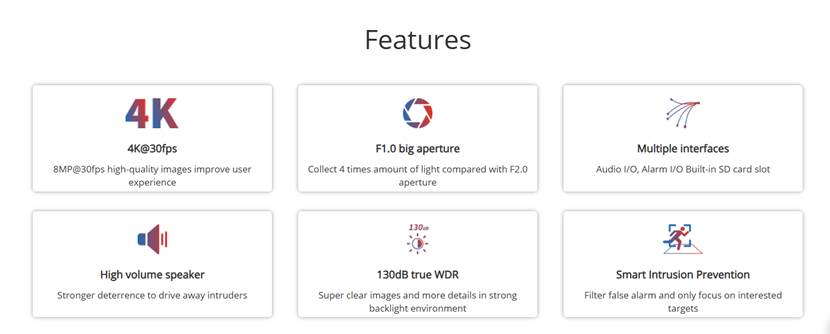
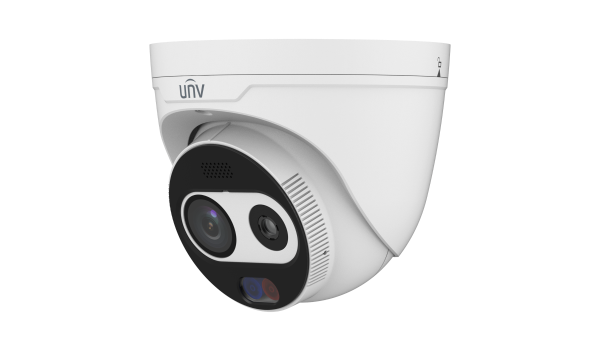
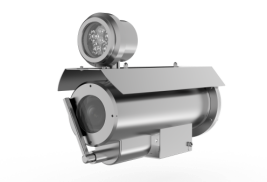
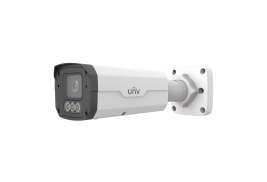
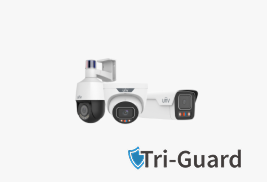
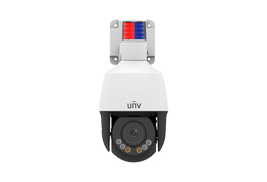
True preventative protection demands immediate on-site action that visually and audibly alerts an intruder that their presence has been verified. Integrating specialized active warning technology, such as the Tri-Guard Series of cameras, introduces a highly disruptive layer of automated field protection. These units deploy a dual-light framework featuring highly visible flashing strobe lights combined with industrial speakers that broadcast high-volume audio warnings. This instant presentation alters the intruder's calculations immediately, turning a stealthy entry into a high-visibility breach and forcing a retreat before property damage occurs.
Capturing high-contrast color detail under low-light environments requires advanced sensor dimensions and sophisticated image-processing pipelines. Utilizing an extra-large lens aperture combined with high-sensitivity back-illuminated hardware allows systems to collect massive amounts of ambient light. This physical advantage enables the network to maintain rich, full-screen color imaging in near-total darkness without relying on bright white light configurations that create heavy light pollution. As a result, critical descriptive color details are preserved over long distances, providing clear investigative materials for post-event analysis.
Coordinating multiple hardware assets into a single cohesive network ensures comprehensive coverage of complex, fast-moving environments. Modern security spaces rely on seamless communication between wide-angle monitoring sensors and targeted tracking lenses to sustain visibility over expansive logistics fields. Unifying these components under a single operational layout reduces management overhead and speeds up response tracking during critical incidents.
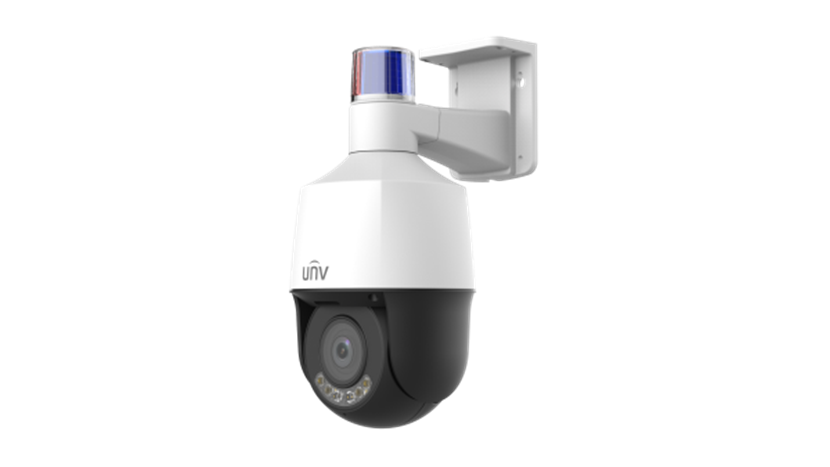
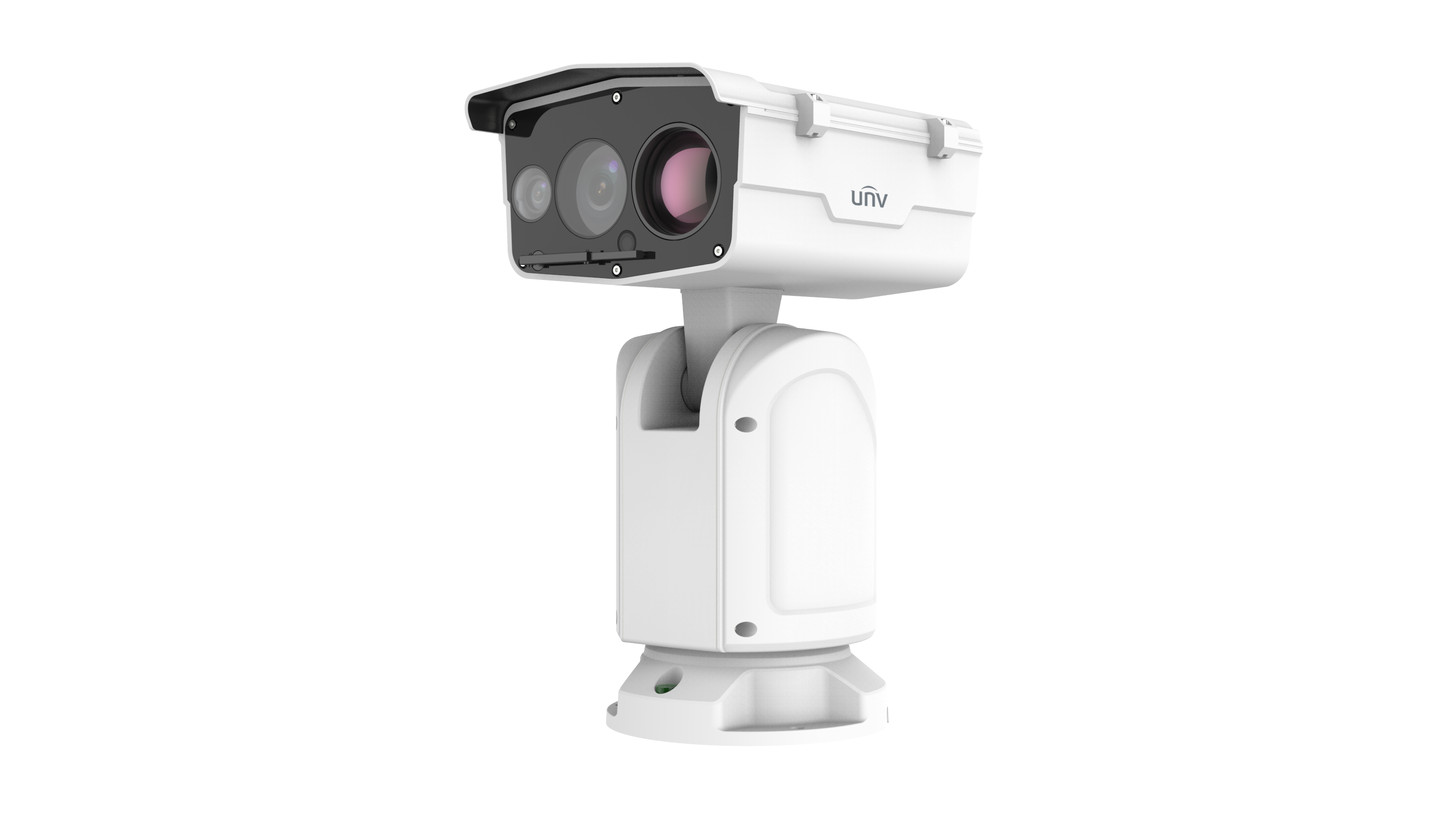
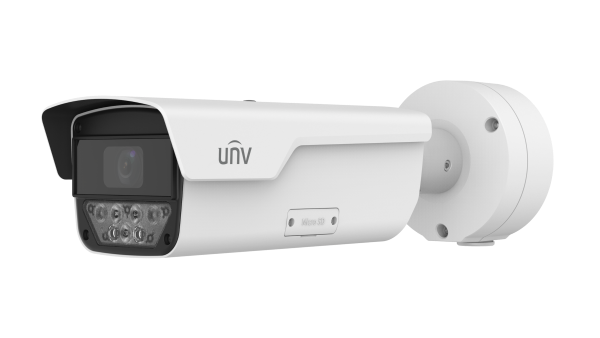
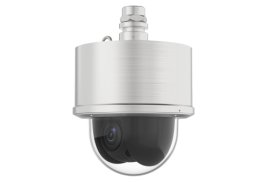
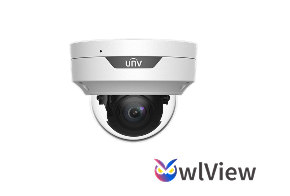
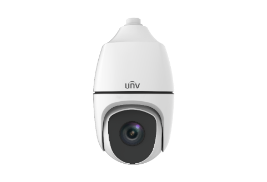
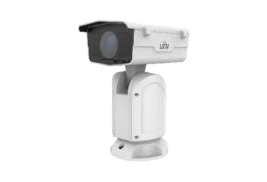
Expansive commercial centers require robust mechanical movement to modify observation fields dynamically based on live event data. Deploying field-proven, high-performance tracking systems such as the IPC6324LWH-AX5C-VG2 camera delivers versatile five-times optical zoom capabilities to monitor distant perimeters with crisp resolution. This professional cloud-edge equipment combines an ultra-large aperture with specialized intelligent tracking to scan broad intersections without losing pixel integrity. Operators can manipulate position parameters effortlessly or allow the internal mechanical gear to manage sweeping patterns independently across complex terrain.
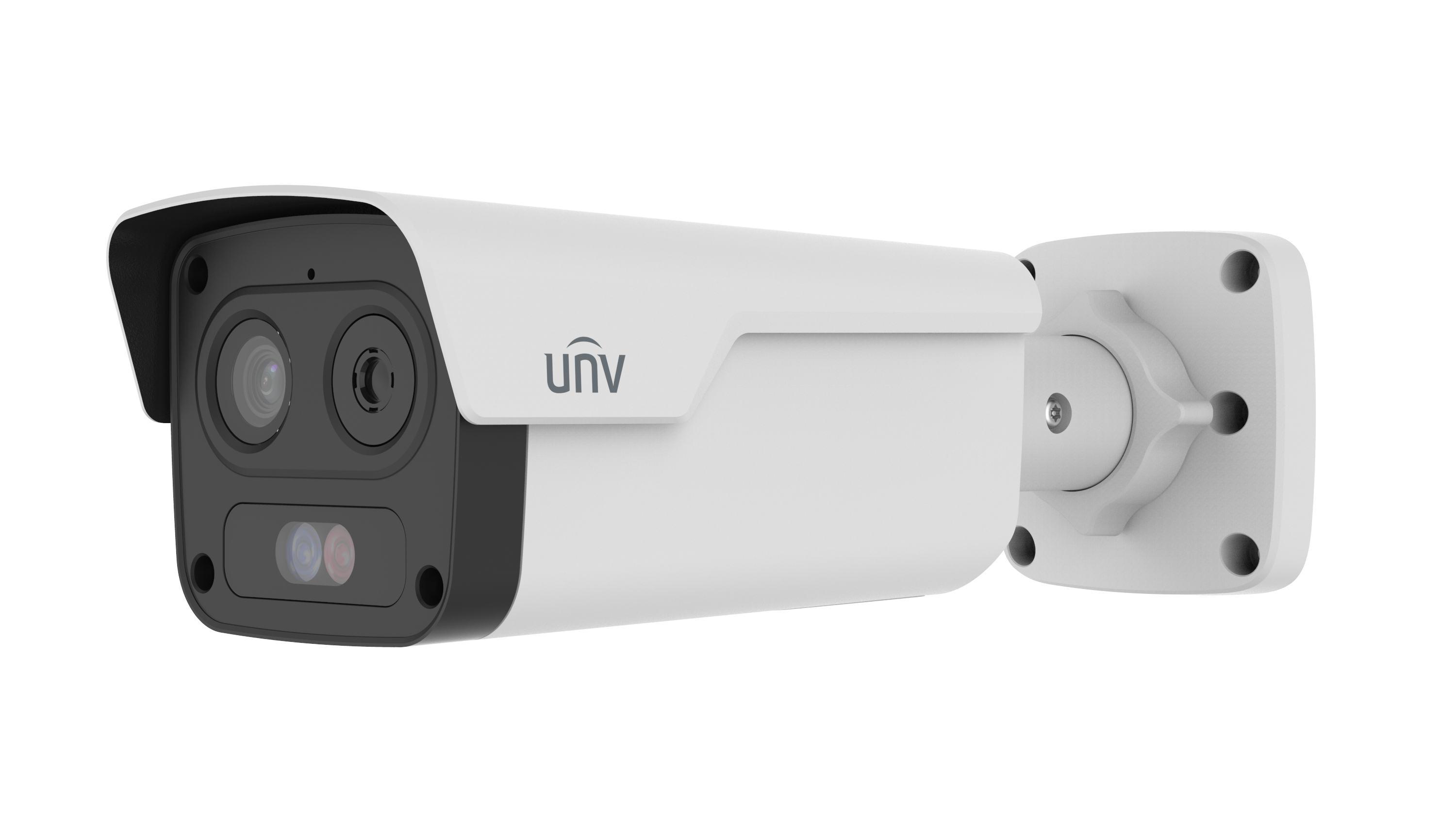
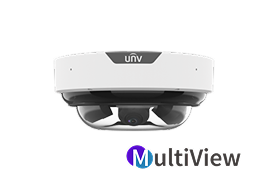
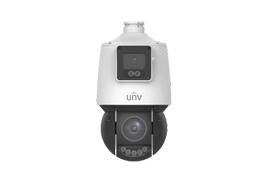
Sustaining overarching situational control while tracking a localized asset requires advanced multi-channel camera engineering. Utilizing intelligent multi-view setups allows a single unit to handle global panoramic monitoring alongside dedicated tracking zoom tasks. When the wide lens detects an intrusion, the secondary detail lens automatically links, zooms, and follows the target path. Concurrently, the panoramic channel remains locked on the macro situation, ensuring no vital context is dropped during the event. This method reduces total device counts while expanding defensive visibility.
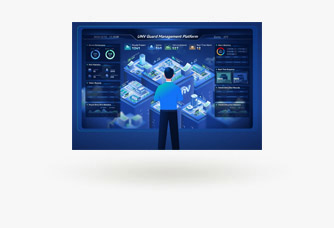
Managing an intricate network of cameras, recorders, and access terminals demands a powerful, centralized software infrastructure. Modern operations leverage a comprehensive, distributed Technology platform architecture to unify field hardware seamlessly into a single interactive dashboard. This software layer aggregates alarm queues, automates backup processes, and handles live video streams across distinct physical locations. Implementing a scalable platform ensures that data traffic is distributed evenly, minimizing system downtime and providing rapid data retrieval options for system managers.
Transitioning an organization toward a preventative security posture requires a dependable manufacturer capable of providing scalable, field-tested infrastructure. Selecting an established global partner guarantees access to sustained research breakthroughs, rigorous quality standards, and comprehensive industry compliance. A trusted technical relationship ensures that physical protection systems remain highly resilient against evolving modern threats.
Organizations seeking resilient hardware can leverage the deep engineering experience of Unlimited New View, a pioneer in the global AIoT and video security sector. Operating with dedicated research centers and investing ten percent of annual revenue back into product development ensures the continuous rollout of pioneering features. Each device undergoes hundreds of meticulous reviews and stressful tests to deliver absolute hardware stability in the most punishing outdoor conditions. This elite focus on reliability makes the brand an ideal choice for high-security environments.
Modern security needs vary drastically across different industrial environments, demanding specialized approach pathways. The comprehensive suite of Solutions by Industry covers thousands of high-profile global installations across transport hubs, industrial parks, banks, retail complexes, and hospitals. From low-bandwidth data optimization for distributed chain stores to high-availability storage arrays for international airports, the architecture adapts perfectly to unique localized regulations. This deep sector expertise ensures seamless implementation and minimal operational disruption during system deployment.
Supporting field engineering teams requires robust corporate alignment that extends far beyond simple product shipping. The structured Dealer Partner Program provides professional installers and integrators with diverse membership tiers designed to enhance business value. Partners gain access to extensive technical training, local logistical assistance, protected pricing structures, and expert pre-sale configuration consultants. Joining this global network allows engineering firms to deploy advanced active deterrence infrastructure backed by premium long-term support.
Q1: What is the main difference between passive recording and active deterrence CCTV?
A: Passive recording systems only document video data for retrospective evidence analysis after an incident has already occurred. Active deterrence systems utilize built-in intelligent processing to filter real-time threats and immediately deploy physical countermeasures, such as flashing strobe lights and custom audible alerts, to deter intruders before a breach occurs.
Q2: How does smart intrusion prevention reduce false notifications in outdoor environments?
A: Smart intrusion prevention uses advanced edge algorithms to distinguish human targets and motor vehicles from common background motion like wind, rain, shadows, or animals. This intelligent filtering ensures that the system triggers physical warnings and personnel alerts only when a genuine threat is verified.
Q3: Can these active deterrence systems operate reliably in complete darkness?
A: Yes, advanced cameras utilize ultra-large apertures and highly sensitive sensor arrays to capture full-screen, high-contrast color imagery down to minimal lux thresholds without relying on invasive external spotlights. This maintains reliable visual tracking throughout nighttime operations.
Q4: Is a separate software platform required to manage cameras across multiple locations?
A: Centralized management platforms utilizing a distributed architecture can unify thousands of channels, network recorders, and security devices into a single data dashboard. This software approach allows system administrators to monitor real-time alerts and review recorded materials remotely.
Q5: What support resources are available for system integrators deploying this hardware?
A: Professional dealer programs offer dedicated technical training, remote configuration guidance, project registration protection, and comprehensive pre-sale and after-sale local support networks to ensure seamless field deployment.