












Hello, your privacy is important to us. Uniview websites use cookies to store info on your device and create the most secure and effective website . By continuing to use our websites, please accept the cookies could be stored on your device, which outlined our cookie policy and privacy policy .






_1036463_651984_0.png)








 X
X
 GLOBAL / ENGLISH


Running high-resolution video streams in 2026 calls for solid backend setups to handle growing data collections smoothly. Sites dealing with multiterabyte files need smart hardware setups to keep recording going without frame drops or major data losses. Moving from old single-disk setups to modern dual-hard disk drive systems tackles the quick rise in visual data needs. It offers the hardware strength required for non-stop business work.
The fast shift to ultra-high-definition security setups puts huge strain on current digital systems. This pushes site managers to rethink their data keeping plans from the ground up.
As business sites adopt 4K and 8K visual tools more often, the huge amount of data they create overloads basic single-drive storage. Your hardware needs to manage these large inputs at the same time across many channels. It should avoid major slowdowns that could ruin key video files.
Non-stop video recording requires steady disk write speeds. This is especially true for uncompressed streams that need constant high-bitrate flow. Hardware limits often cause dropped frames, which are not acceptable. So, your storage setup must keep fully smooth operations all day and night to safeguard your site.
Today's smart cameras produce lots of organized data along with regular video streams. This adds a key layer of working metadata to your main storage system. The steady flow of smart analysis data demands special storage designs. These can index tricky details without hurting the saving of main visual content.
Building a reliable video saving system depends on key technical bases. They manage big data flows well and also guard the physical health of the mechanical hard drives.
Handling many video streams at once needs strong decoding processors. These turn raw data into viewable formats right away. The equipment you pick should deal with several high-definition inputs together. This supports big business setups without causing annoying playback delays.
Keeping a clear and broad data path stops delays in sending info between your devices and the central storage area. Dual-drive systems spread out the data load naturally. As a result, they offer much better bandwidth flow. This handles the strong input from many high-resolution devices working together.
Safeguarding your key visual files requires deep storage tech. It provides round-the-clock upkeep and auto-fix features. Tough RAID setups protect data by copying it across several drives. Thus, they stop total data loss from sudden hardware breakdowns. This keeps your business running smoothly.
Meeting the needs of small and medium businesses means choosing hardware that mixes large capacity with strong processing power well.
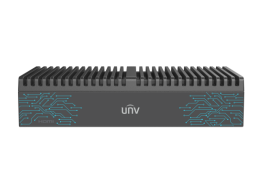
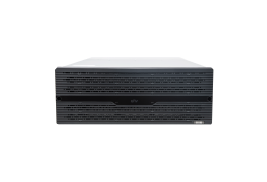
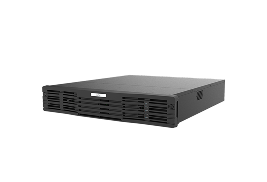
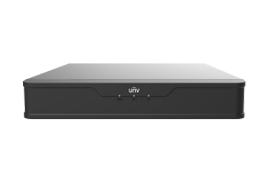
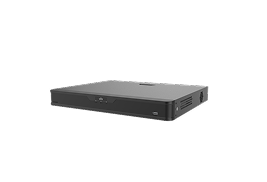
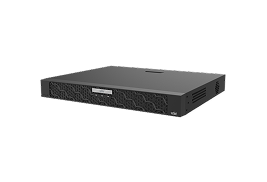
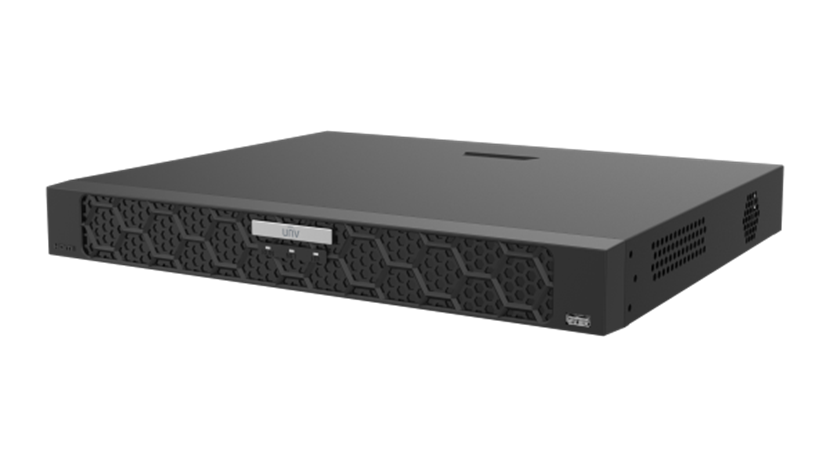
The NVR502-16E-IM-G has two built-in SATA ports. They let users add two hard drives to boost the total video saving time greatly. This big physical space fits the tough storage demands from ongoing high-definition recording in busy business settings.
As part of the Prime series for pro project uses, this device offers solid 16-channel 1080P decoding power. Security networks gain a lot from this strong processing. It manages several tough video streams easily. At the same time, it backs smart features right on the main device.
Ongoing business work requires dependable power spread across the inner board and added storage drives. The device has effective power controls that hold steady temperatures. They also shield the sensitive read-and-write parts of hard drives during all-day recording.
More than just storage space, the real worth of saved data depends on quick finding and pulling out specific events from a vast digital collection.

Using SeekFree technology changes slow manual video checks into fast digital pulls. Users can quickly spot exact times in weeks of footage. This skips the usual waits from sorting through tightly packed and old video files.
Pulling up high-definition playback often brings big wait times. However, smart retrieval methods cut out this delay. Operators can play back saved 4K video smoothly without pauses. This gives instant visual proof of past events when quick checks are needed.
Linking smart indexing with quick search methods lets security teams handle events and make full reports fast. This smooth advanced video technology process cuts check time a lot. It helps the whole group make quicker choices based on data.
Guarding your starting hardware spend for years ahead means picking systems that keep cutting data size while growing backup options.
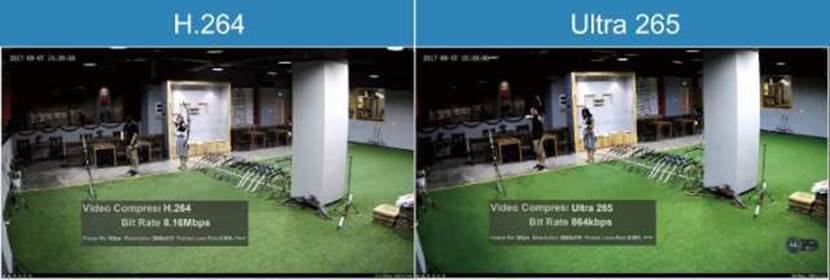
Using the Ultra 265 compression method changes storage costs a lot. It cuts bandwidth and space needs by 80% to 95% over old formats. Such a big drop means keeping much longer high-resolution video saves on the same drives. No quick hardware changes are needed.
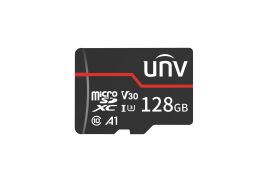
Network breaks often lead to missing video. But Automatic Network Replenishment tech fixes this issue. It saves video on device memory cards during short outages. When connection comes back, the devices sync up and send the lost parts straight to the main dual-drive storage. This keeps the full record intact.
When the two inner drives hit their max, adding outside network drives lets you grow the saving setup easily. The system works with video saves and ongoing recording to up to eight Network-Attached Storage units. This builds a nearly endless storage space for your expanding business.
Picking the right hardware maker sets the long-term strength of your video setup. That is why teaming with a trusted global firm boosts your work abilities.
Unlimited New View acts as a top global supplier of smart products. It holds a strong spot in the top four market shares since 2018. Users get quick entry to industry-leading expertise from a group that puts ten percent of yearly income into research and development. This keeps improving its tech options.
Rather than using basic gear, users get tailored industry solutions made to fit the special challenges of their business area. Over 7,000 worldwide installs cover shops, schools, and health centers. These setups match exact site needs well.
Setup experts and sellers find lasting success via full support plans like the Dealer Partner Program. It brings deep project approvals, wide local tech help, and good price deals. Together, they push business growth and boost project gains in a tough market.
Q1: What makes a dual-drive system superior to a single-drive unit for commercial use?
A: A dual-drive setup gives twice the storage space and allows data copying for backup. This guards against total failure from one drive breaking down during steady business recording.
Q2: How does the Ultra 265 standard affect my overall storage costs?
A: This smart compression cuts costs by lowering bandwidth and space needs by 80% to 95%. So, more data fits without buying extra drives.
Q3: Can the system recover footage if the main network connection temporarily drops?
A: Yes, devices with local memory cards hold the video during outages. They send it back to the central dual-drive unit once the network is stable again.
Q4: Why is a 16-channel 1080P decoding capacity important for my business?
A: This strong processing lets the main monitoring spot show sixteen high-definition streams at once with no delays. It gives operators full view of the site.
Q5: How do I expand my storage if the two internal hard drives become completely full?
A: Add up to eight external Network-Attached Storage devices to the current video system. This grows the data saving space without swapping the main recorder.