
















Hello, your privacy is important to us. Uniview websites use cookies to store info on your device and create the most secure and effective website . By continuing to use our websites, please accept the cookies could be stored on your device, which outlined our cookie policy and privacy policy .






_1036463_651984_0.png)





 X
X
 GLOBAL / ENGLISH


In the constantly changing world of keeping properties safe, the old ways of watching over a building are going through a major change. For a very long time, the standard way to handle security was just to watch and wait. Cameras were put up to record things happening, basically acting as history books that only gave you proof after something bad, like a break-in or theft, had already happened. While this video footage was useful for reports later on, this backward-looking method fails to do the main thing people want from a security system, which is to stop the bad event before it turns into a loss of money or damage to the building. Now, the industry is moving towards smart, forward-thinking solutions that actually step in right when the trouble starts. Leading this new wave of technology is Uniview, a company that is creating a new path by mixing very clear picture quality with active warning tools. By bringing together sharp lenses with psychological tricks to scare off intruders, these systems give building managers and homeowners the power to stop strangers right at the fence line, changing the definition of what it means to be truly secure.
The problem with regular cameras is that they are silent. A normal camera, no matter how clear the picture is, just sits there as a quiet witness to a crime. It records the act of someone breaking a window or jumping a fence, but it does absolutely nothing to slow down the person doing it. in many real-life situations, by the time the person owning the property gets a message that someone has broken in, the damage is already done, and the people responsible have run away. This delay between seeing the problem and doing something about it is where most of the money is lost.
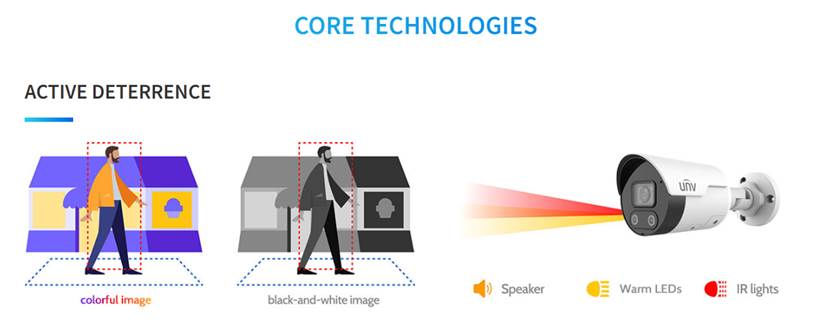
Active deterrence bullet cameras fix this gap by turning the security device from a passive recorder into an active guard that does something about the problem. These systems are built not just to save a video of real life but to interact with what is happening. By putting warning lights and loud speakers directly into the body of the camera, the system gives an instant, automatic answer to anyone who should not be there. This ability changes the whole situation completely; instead of just hoping that the might arrive in time because of a silent alarm, the building itself gives a loud and bright warning that proves the intruder’s fear of getting caught is real.
To really understand why active deterrence works so well, you have to look at how a break-in happens in the mind of the criminal. Most crimes against property are crimes of opportunity, based on the guess that there is very little risk involved. Intruders rely on silence and darkness to do their work without being seen. They calculate that even if a camera is there, nobody is probably watching it right now, or it is just recording for someone to look at tomorrow.
Active deterrence breaks this line of thinking by interrupting the intruder’s decision process. When a camera suddenly sends out a bright visual flash and a loud sound, it forces the intruder to stop thinking about stealing and start thinking about the threat to themselves.
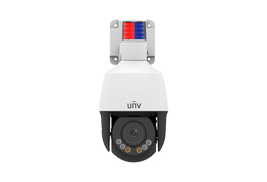
The first layer of defense in these advanced systems involves very bright strobe lights. Unlike standard infrared lights that humans cannot see, active deterrence cameras use red and blue flashing lights. This specific mix of colors is known by everyone to mean and emergency help. When an intruder walks into the area the camera is watching, the sudden turning on of these strobe lights tells them they have been found immediately. It takes away the cover of the dark night and creates a strong mental link to presence, which makes the person feel a much higher risk of being arrested.
Light by itself works well, but sound confirms that someone is definitely watching. Built-in high-power speakers allow these cameras to shout out warnings that are impossible to ignore. Whether it is a siren sound that plays automatically or a custom voice message saying something like "Private Property, Leave Immediately," the sound part removes any doubt. It signals to the trespasser that they are not just being watched by a glass lens, but that the system knows they are there and is reacting to them. This mix of things affecting the senses creates a space that feels dangerous for criminal activity, encouraging them to leave right away.
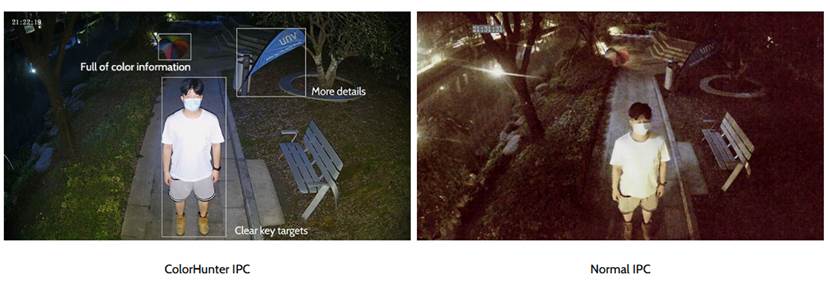
The success of active deterrence depends a lot on how accurate the trigger is. If the lights flashed randomly because of trees blowing in the wind or animals running by, the system would quickly become annoying instead of helpful. Therefore, modern solutions mix active defense with smart detection computer programs.
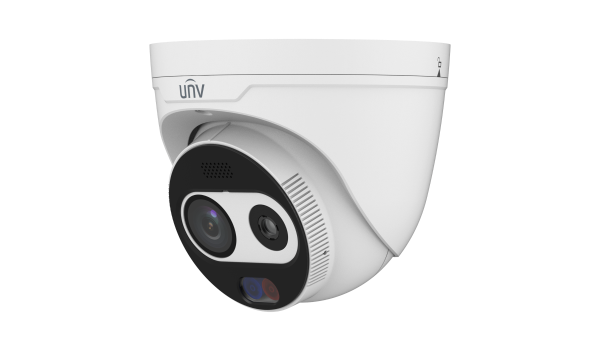
The Tri-Guard Series is a perfect example of bringing these technologies together. This series is built to solve the problem of false alarms by using advanced ways to sort targets. Through the use of smart computer thinking, the camera can tell the difference between important targets—specifically people and cars—and movement that does not matter, like leaves, rain, or small animals. This ensures that the active deterrence tools (the red and blue lights and the siren) are only used when a real threat is checked and confirmed. Also, this series includes full-color night vision technology, ensuring that while the deterrence features scare away the intruder, the camera lens captures important details like the color of clothes and what the car looks like, which are often lost in old-fashioned black-and-white night videos.
For active deterrence to be useful legally and for running a safe place, the quality of the video evidence must be perfect, especially when the light is low, which is when most people try to break in. A blurry picture of a flashing light does not help much when trying to find out who did it later. The industry has therefore focused on getting the most light possible while also having deterrence features.
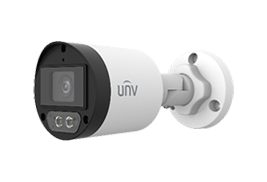
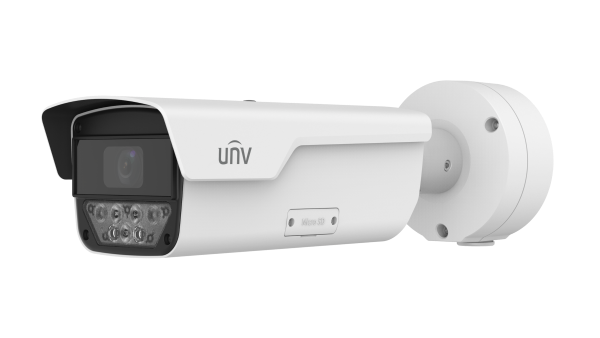
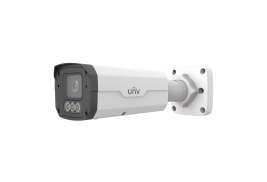
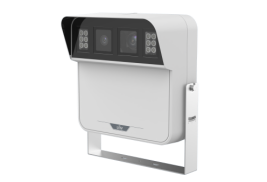
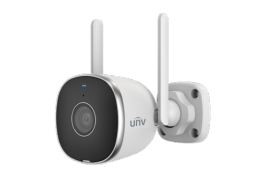
A great example of this technology working together is found in the IPC2B14SE-ADF28KMC-WP-I1 from the Owlview Plus family. This 4MP Dual-light Bullet Warning Network Camera is powered by Wise-ISP Nightview technology, which represents a sophisticated synergy of software algorithms and hardware integration.
The camera utilizes a very large lens opening (F1.0) and advanced sensor components to maximize light intake, keeping images bright and colorful even in almost total darkness. By balancing powerful processing with high-end hardware, it avoids the need for excessive artificial light that might wash out critical details.
When an intrusion is detected, the camera’s dual-light system intelligently switches modes, deploying warm light to capture full-color recording while simultaneously activating warning tools. This ensures you receive broadcast-quality evidence with clear identification of the intruder’s actions, all while the camera actively deters them.
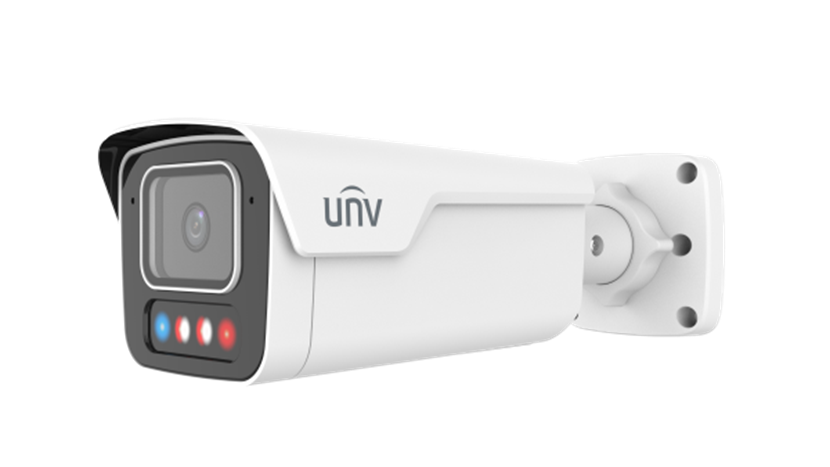
Using active deterrence requires hardware that can last in the very same environments it is trying to protect. These cameras are often put up on the outside fences of warehouses, industrial parks, or big houses, exposing them to rough weather conditions. The reliability of the deterrence parts—the speaker and the strobe light—must be guaranteed regardless of rain, dust, or temperatures going up and down.
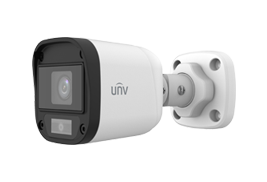
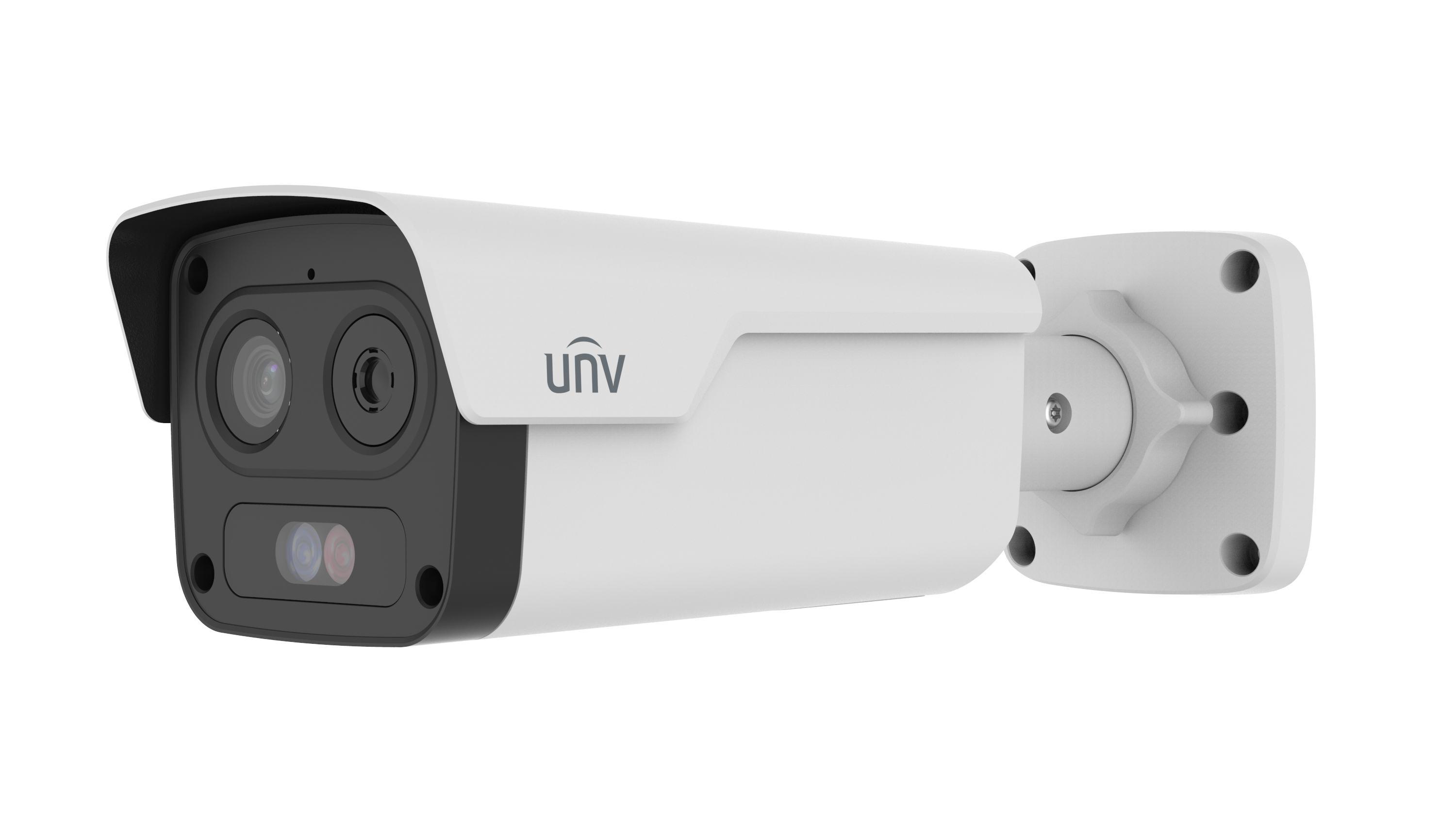
The IPC2125SB-ADF28KMC-I0, a 5MP Tri-Guard Fixed Dual-light Bullet Network Camera, is designed with this long-lasting strength in mind. It sits inside a tough metal shell with IP67 weather protection, which ensures that the active defense abilities stay working during storms or extreme weather events. The 5MP resolution offers a big upgrade in how many dots make up the picture, allowing security workers to zoom in on the video with much better clearness. This model smoothly brings together the "detect, warn, and record" idea into a single, strong shape. By combining high-resolution video with the mental impact of light and sound, it provides a standalone security solution that reduces the need for buying extra outside alarm hardware.
Choosing active deterrence bullet cameras offers clear benefits over the older systems. First and most importantly is the preventative nature of the technology. By stopping crime at the fence line, property owners avoid the costs that come with vandalism, broken windows, or stolen goods. The cost of replacing a shattered glass door is often more than the price of the camera system itself; preventing that breakage gives you money back immediately.
Secondly, these systems lower the amount of work for security staff. With smart filtering cutting down false alarms by a large amount, security guards or remote monitoring centers can focus their attention on threats that have been checked and are real. The automatic response of the camera acts like having extra guards, effectively watching multiple doors at the same time and reacting faster than a human guard could physically walk to the active areas.
Finally, the "all-in-one" design makes putting it up and keeping it working much simpler. In the past, achieving a similar effect would require a camera, a separate motion detector, an outside siren, and a floodlight, all wired to a control box. Modern active deterrence cameras hold all these parts in a single unit, using Power over Ethernet (PoE) for simple connection. This reduces the time it takes to install, lowers the number of cables that could break, and results in a cleaner look for the outside of the building.
The security industry is moving with purpose toward solutions that offer more than just watching. As threats become smarter, the technology used to fight them must also grow. Active deterrence bullet cameras represent the new standard for keeping the outside of buildings safe, offering a forward-thinking defense that protects property, things of value, and peace of mind. By bringing together smart detection, full-color night video, and immediate visual and sound warnings, these systems provide a full shield against people breaking in. For those looking to upgrade their security setup, the move to active deterrence is not just a technology upgrade—it is a strategic shift toward a safer future where you are in control.
A: No, modern active deterrence cameras use smart computer learning programs to sort out what they are seeing. They are designed to specifically filter out movement caused by animals, leaves falling, wind blowing, or cars driving far away, ensuring that the loud alarms and bright flashing lights are only turned on when a human or a specific type of vehicle enters the area you have marked as restricted.
A: Yes, many advanced models support two-way audio and voice recordings that you can change yourself. You can upload specific sound files to the camera, allowing you to make the warning message fit exactly what you need (for example, "Construction Area: Danger" or "Private Parking: You are being recorded") for the specific needs of where you put the camera.
A: The lighting systems are made to make the recording quality better, not worse. While the red and blue lights serve as a way to scare people off, these cameras usually also feature warm LED lights or very sensitive sensors (like ColorHunter technology) that ensure the video stays in sharp, full color even while the deterrence lights are working, providing clear proof for you to look at later.