










Hello, your privacy is important to us. Uniview websites use cookies to store info on your device and create the most secure and effective website . By continuing to use our websites, please accept the cookies could be stored on your device, which outlined our cookie policy and privacy policy .






_1036463_651984_0.png)





 X
X
 GLOBAL / ENGLISH


Security is far more than a daytime concern. Indeed, the most worrisome threats frequently surface under the thick cloak of night, a time when basic cameras often fail to offer any useful facts. If you are in charge of large outdoor spaces, industrial yards, or wide business properties, you likely understand that normal fixed cameras usually fall short. They simply cannot provide the deep view and wide reach you need for full safety. This is exactly where the Pan-Tilt-Zoom (PTZ) camera becomes a must-have tool. By mixing mechanical movement with top-tier low-light sensors, these units make sure your land stays visible and safe, no matter how dark it gets outside.
Before we jump into the technical details, it is vital to team up with a maker that puts hardware toughness and clear pictures first. Uniview is a top global leader in the IP video world, famous for its deep promise to "Better Security, Better World." As a first-mover in high-definition video tech, the company always tries to go past what people think is possible in very dark places. Their products are built for experts who want more than just a fuzzy, blurry image; they offer a smart world of gear that balances rugged strength with smooth, easy-to-use software. Whether you are protecting a small, quiet street or a giant, busy shipping hub, picking this brand means you are putting your money into a history of fresh ideas and sharp visual proof.
When you put up a regular fixed camera, you are basically stuck with one single view forever. While this works okay for a small hallway, it leaves huge gaps in wide-open outdoor spots. A PTZ camera gets rid of these problems by offering a full 360-degree side-to-side turn and a very wide up-and-down tilt. This quick movement let you track a moving object and check out strange activity right as it happens, without needing ten different static cameras to cover the same ground.
The "Zoom" part is perhaps the most important bit for working at night. In dark spots, digital zoom usually makes the video look like a mess of blocks—basically useless. However, optical zoom keeps the full quality of the picture. This allows you to close the huge gap between where the camera is mounted and a target that might be hundreds of feet away. By using these tools, you change your safety plan from a boring recording box into a fast, thinking defense system.
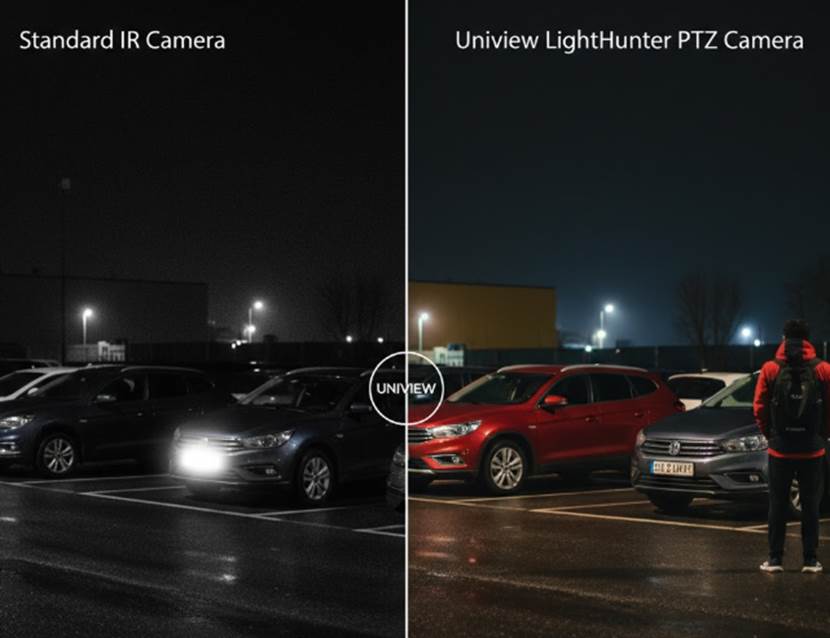
For a long time, night vision mostly relied on heavy infrared lights. These often create "hot spots," which are bright white areas where things close to the lens look like ghosts with no faces. To fix this, professional systems now use special sensors that are made to catch every tiny bit of light available.
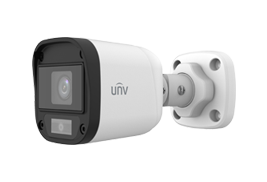
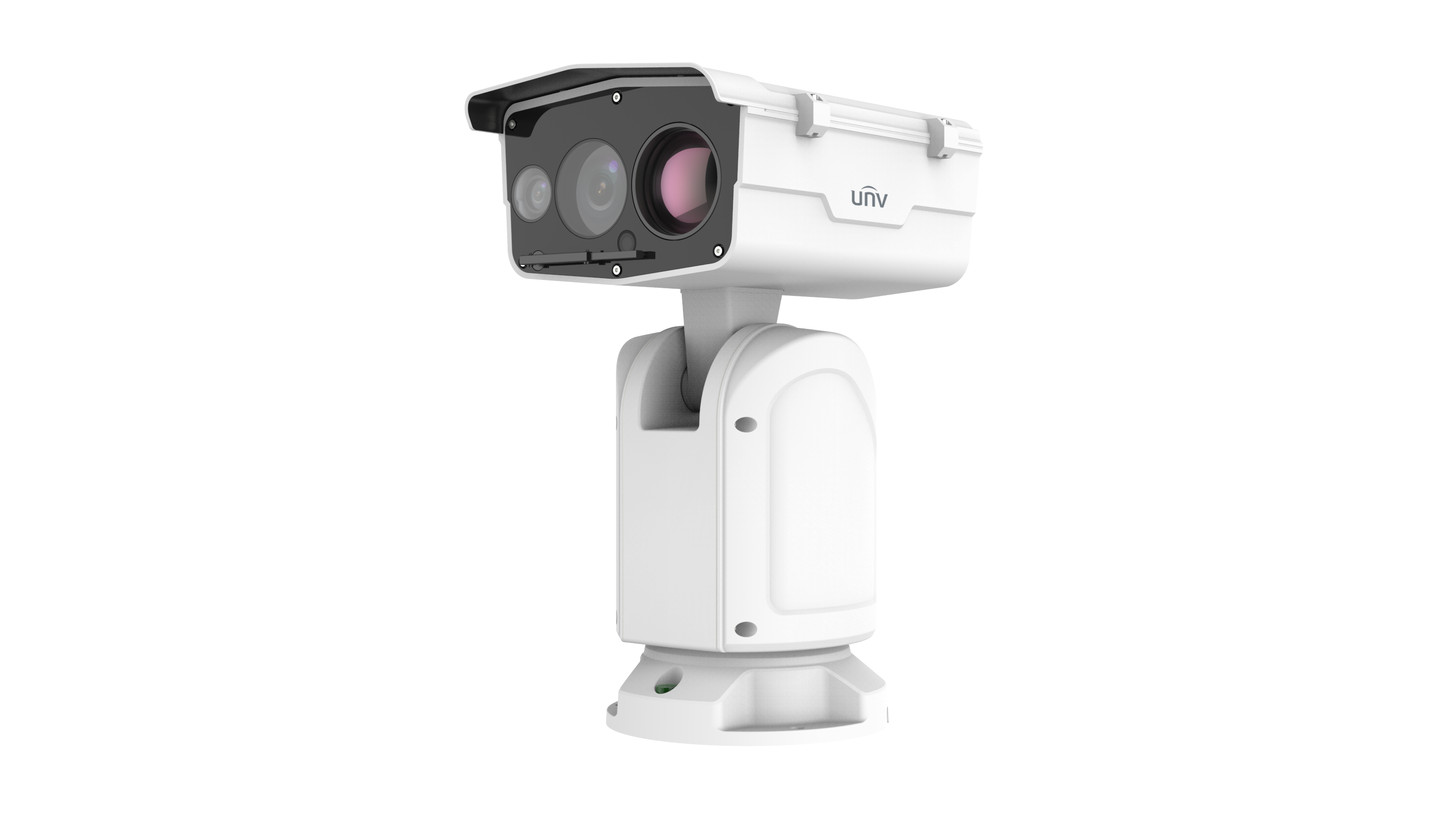
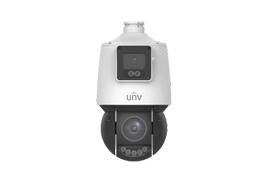
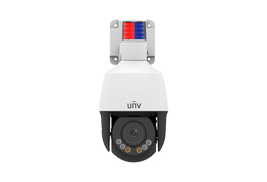
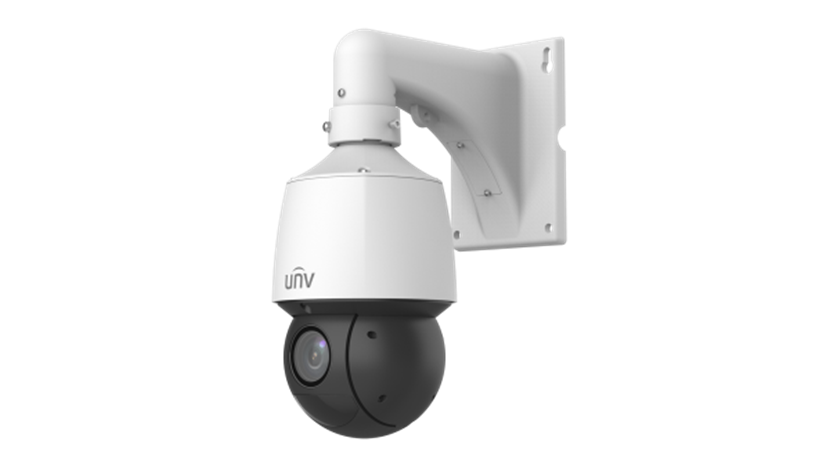
For those who need a mix of a small size and a very long reach, the 2MP 25x LightHunter IR Network PTZ Camera marks a massive step forward. This device uses special lens tech to keep colors looking bright and real even in spots where a human eye only sees black shadows. By grabbing color data during the night, you get very important clues—like the exact color of a car or a person’s jacket—that old black-and-white night video just cannot show you.
Security gear must be able to handle a lot more than just the dark; it has to live through the wild weather too. High-end PTZ tools are built with very tough, industrial-grade parts to fight off rain, dust, and big swings in heat or cold. However, the real brain of the machine is how the camera looks at the world around it.
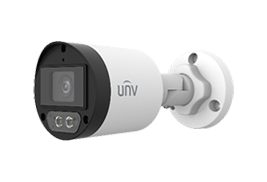
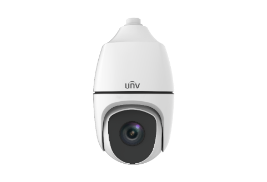
When your outer fence sits across a giant parking lot or a massive factory zone, a 25x zoom might not be enough to see what is going on. For these tough jobs, the 2MP 33X Lighthunter IR Network PTZ Camera gives you the extra-long lens power you need to watch far-away lines with great care. The 33x optical zoom lets you look at tiny details that would usually be lost in the middle of the night.
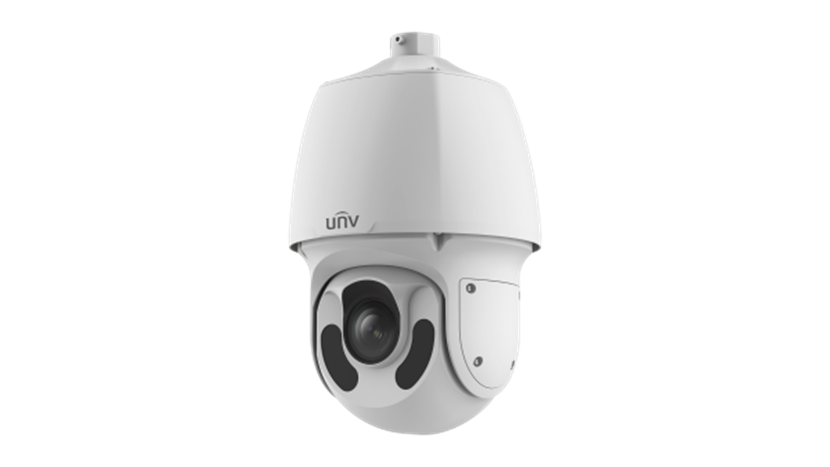
These cameras use smart light changes to stay clear. Instead of just throwing out one steady blast of infrared light, the system changes the brightness based on how far you are zooming. When you zoom out to see a whole field, the IR lights act like a big, wide floodlight. When you zoom in on a far-off gate, the light turns into a tight, sharp beam. This makes sure the target is lit up just right, so it is never too dark or washed out by too much glare.
Taking high-quality video at night can create a mountain of data. This is a big problem for your storage space and your internet speed. Professional PTZ systems fix this by using smart ways to shrink the files. By picking out which parts of a scene are staying still—like a stone wall or a metal fence—and only using the heavy data power on things that move, the system lightens the load on your hard drives. It does this without losing any of the sharpness of the video. This smart trick makes sure you can keep weeks of great night video without needing to buy a giant, expensive computer room to store it all.
A modern PTZ camera is not just a tool for a person to sit and watch; it acts like a smart guard that never sleeps. You can set these devices to do automatic "rounds." This is where the camera moves on its own between certain spots at set times. This creates a steady presence that scares away people who should not be there, simply because they can see the lens moving and watching them.
Also, smart filters let the camera tell the difference between boring movement, like trees waving in the wind or falling rain, and real events involving cars or people. This extra care makes sure that when you get a ping on your phone or at your desk, it is actually something you need to look at. This smart way of working stops your security team from getting too tired of false alarms. It makes sure that no big event is missed during the most risky hours of the late night.
Buying top-shelf security gear is only the first move. To make sure everything works well for years, having access to professional help is very important. We offer a full range of technical support. This goes from helping you plan the system and install it, all the way to keeping the software fresh and updated. Our big global network of partners makes sure that no matter where your building is, a smart expert is nearby to help. They can tweak your camera settings to fit your exact weather and light. If you are ready to make your night views much better or if you want to talk about which PTZ model is the best fit for your home or office, our team is ready to talk.
Contact us today to look at our whole line of visual security tools and see how we can help you stay safe.
Q: What is the main difference between digital zoom and the optical zoom found in these PTZ cameras?
A: Optical zoom actually moves the glass inside the camera lens to bring the object closer to you. This keeps the whole picture sharp and clear. Digital zoom is just like blowing up a photo on your phone; it makes the dots bigger, which makes the image look blurry and bad. This makes it very hard to see a face or a license plate at night.
Q: Can these cameras work in a place that is totally pitch black with no lights at all?
A: Yes, they can. While the LightHunter tech is amazing at finding color in very dim light, these cameras also have very strong Infrared (IR) lights built inside. In places where there is zero light, the camera flips to IR mode. This gives you a very clear black-and-white picture that can see a very long way into the dark.
Q: Is it hard to add these PTZ cameras to a security system I already have?
A: Not at all. These cameras are made to be very easy to set up. You basically just plug them in and they start working with most standard recording boxes. They use common "languages" that let them talk to many different types of software. This makes adding a high-power PTZ unit to your current setup a very simple and fast task.