













Hello, your privacy is important to us. Uniview websites use cookies to store info on your device and create the most secure and effective website . By continuing to use our websites, please accept the cookies could be stored on your device, which outlined our cookie policy and privacy policy .






_1036463_651984_0.png)






 X
X
 GLOBAL / ENGLISH


Keeping commercial and industrial buildings safe from fire dangers is a key goal for smooth business operations. Usual starting points for fires include problems with electricity, machines getting too hot, and easy-to-burn items, which often get worse because of mistakes by people or not enough fresh air. Standard smoke alarms work well in closed spaces, but they only react once burning has started, which might let flames grow quickly in big storage areas or outside spots.
Uniview modern security setups that mix clever video watching and heat-sensing pictures give a forward-thinking option. These tools spot unusual warmth patterns and odd sights right away, letting workers step in early before any smoke or fire shows up. With options like clear zooming and automatic following, two-part cameras cover everything well, cutting down dangers and boosting safety rules overall.
In business and factory buildings, fires usually come from a handful of common but risky situations. Issues with electricity top the list, often from circuits carrying too much load or wires wearing out over time. Machines running hot, particularly in places used non-stop like assembly lines or server rooms, can spark fires too. Easy-to-burn stuff—things like paper items, cleaning liquids, and packing materials—adds to the ongoing worry.
Mistakes by people make these problems even bigger. Handling gear the wrong way by accident or ignoring safety steps can cause huge damage. Adding to this is the absence of strong fire-spotting tools in many places, which slows down help in emergencies. Outside factors, like higher warmth levels, bad air flow, or tight rooms that hold in heat, greatly raise the chance of fire events happening.
Old fire-spotting tech mostly depends on smoke pickers. They help inside rooms, but these setups only kick in after smoke forms, at which point the fire could already be spreading fast. In huge or open outside areas, like storage buildings or factory yards, spotting smoke loses its punch because of wind currents and far-off distances. Plus, these tools lack picture proof, so people must check things by hand separately, losing precious minutes in urgent times.
Adding smart video watching to your fire-stopping plans brings in a forward guard level. Different from usual smoke alarms, upgraded cameras give steady picture views of danger spots. This lets safety staff keep an eye on first hints of issues—such as gear warming up too much or people doing unapproved things near burnable items—right as they happen.
Picture proof speeds up choices and cuts down wrong alerts. When a possible fire risk shows up, guard teams can look at live pictures and start right actions without waiting. This boosts knowledge of the situation and gets operations ready quicker.
Pan-tilt-zoom (PTZ) cameras push your watching range further by allowing active checking over wide spaces. These cameras turn a full 360 degrees and focus closely on far items, making sure no hidden areas go unseen. Tools like self-following let the setup track motion or warmth oddities on its own, giving steady watch without people stepping in.
PTZ cameras link up easily with current alert setups to set off warnings from movement or heat info. This smooth connection means that as soon as a danger appears—be it unallowed entry or a growing warm spot—the tool can tell staff right away.
Heat-sensing pictures change how we catch fires early by picking out strange warmth setups before fire or smoke comes into view. These cameras notice small changes in warmth signs, which makes them perfect for finding machines overheating or electricity glitches well before burning starts.
Heat setups also work steadily in spots where regular cameras have trouble—like dim light, mist, or dusty air. This toughness keeps watching going without stops, no matter the outside conditions.
On top of that, heat pickers help with guessing-ahead upkeep plans by pointing out hot areas that signal breaking gear. By fixing these early, you stop fires and make your equipment last longer in use.
In buildings dealing with risky chemicals or packed electricity setups, steady heat watching offers a vital backup. Touch-free warmth checking gives exact numbers without putting people at risk. The info gathered helps meet tough rules in your field about worker safety and nature care.
By mixing heat-sensing pictures into your watching network, you do more than just spot fires—you work hard to keep them from starting.
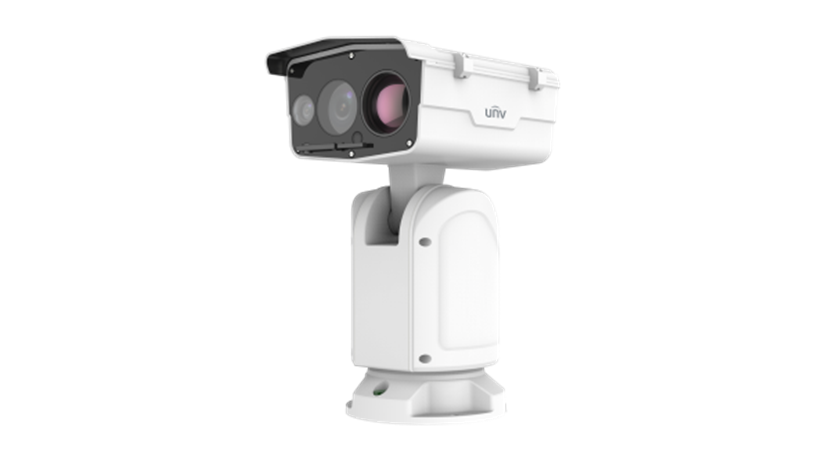
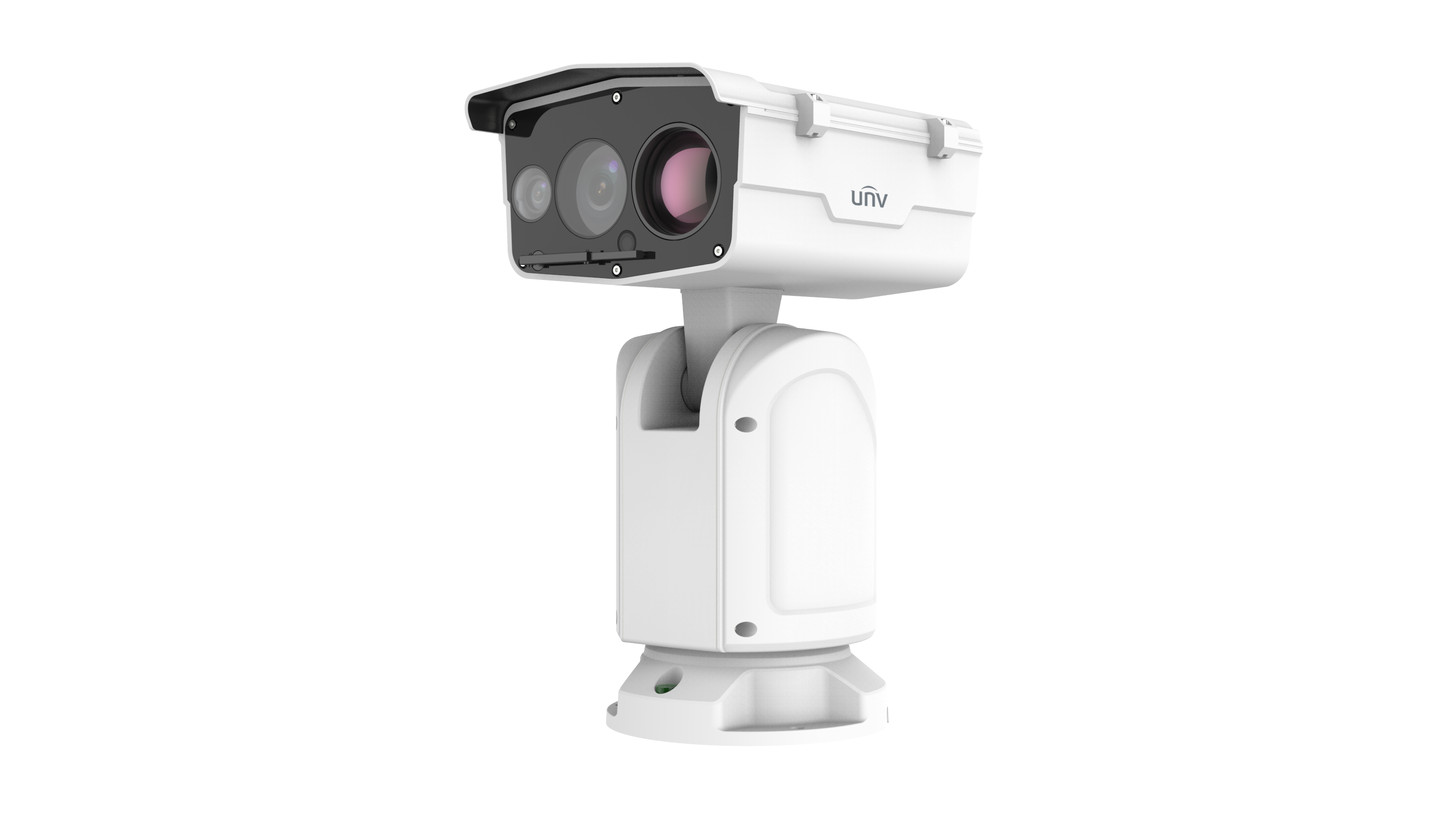
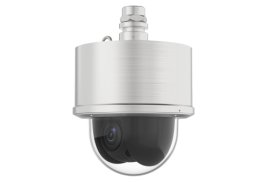
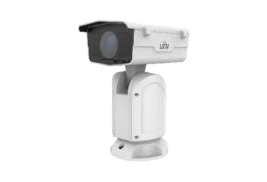
This setup system brings two-part picture making by joining clear and heat paths into one piece. Thermal & Optical dual-spectrum image, dual video with single IP address, adaptable to various scenes. The heat path handles exact fire spotting while the clear path can zoom in on the hot area by itself for solid picture checking.
With a 75mm heat lens and 56x clear zoom, this camera shines at spotting things far off—up to 4,500 meters for fire happenings. Clever following lets the system chase moving warm sources on its own, while rain-feeling cleaners and spin balance keep sights clear in bad weather.
This type fits best in tricky factory spots like energy plants or chemical works. It keeps watch on key structures such as power changers and steam makers for odd warmth signs. In storage areas holding burnable goods—like paper or chemicals—it follows warmth changes all the time.
For edge guarding at far-off sites, this setup spots both people breaking in and possible fire starts at the same time. Its linking skills make sure warnings come together through your current control tools.
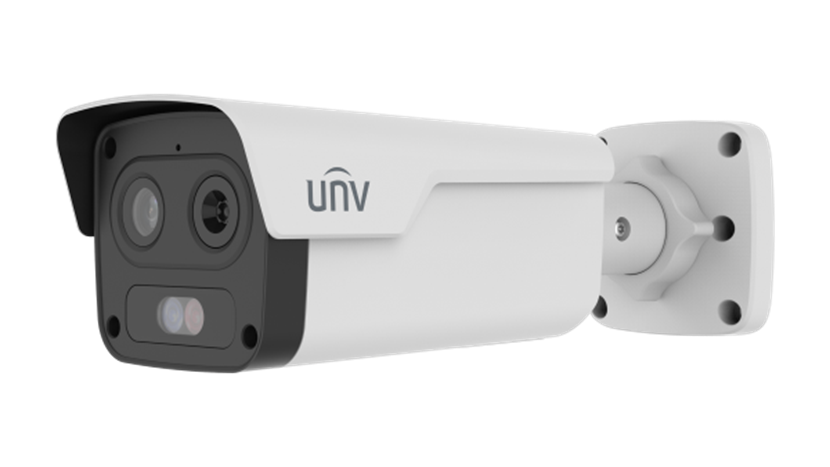
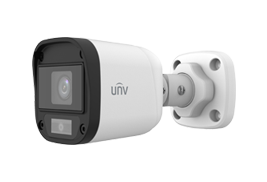
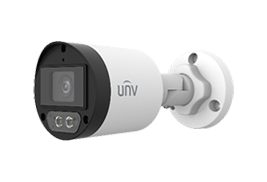
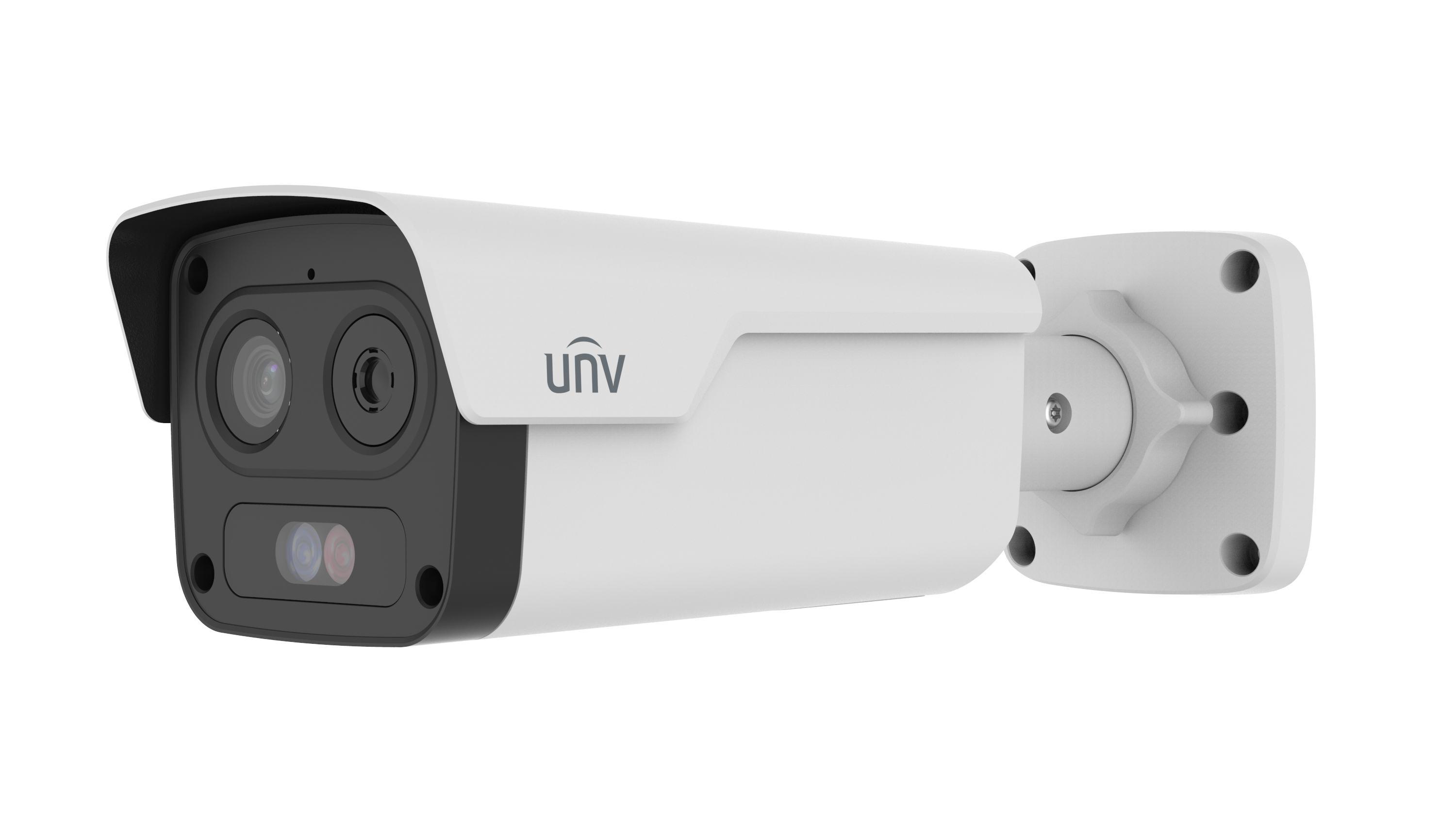
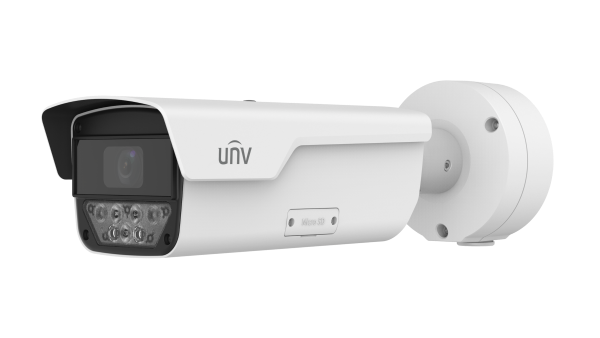
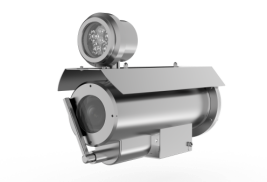
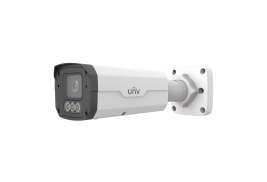
This bullet camera gives two-part work in a small size. Thermal & optical dual-spectrum image, dual video with single IP address, adaptable to various scenes. Fitted with a set 4mm lens on both heat and clear parts, it covers a lot with easy setup needs.
Built-in clever spotting math lets it send alerts in real time from warmth oddities or break-in patterns. Picture-in-picture view improves side-by-side looks at heat and light streams right away.
Perfect for computer rooms where too much heat is always a worry, this camera gives non-touch watching day and night. In small areas like tool rooms or car parks, its small build makes sure good coverage without getting in the way.
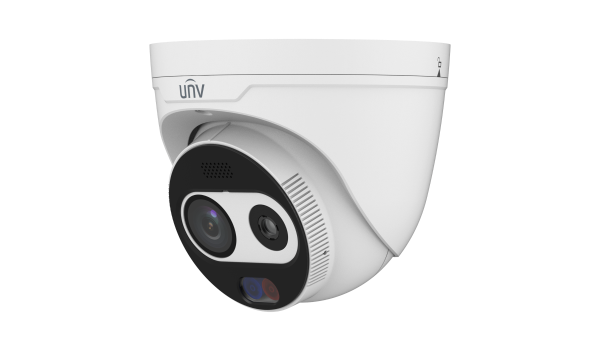
On making lines or moving belts, it picks up heat from rubbing early to stop it from turning into fire risks. The added sound and sight warnings build local notice without just using main control centers.
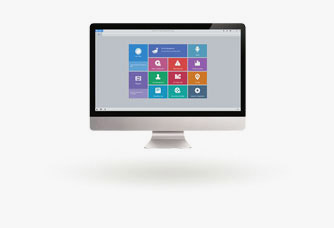
The chance to mix heat-sensing with your video control software makes tasks simpler and improves views over all checked areas. Using main hubs like VMS servers, you can set warmth limits, watch many buildings at once, and handle events from live number crunching.
Build views based on what users want, which can start on time or by hand. This lets building bosses set auto on/off steps over different areas by work times or how many people are there.
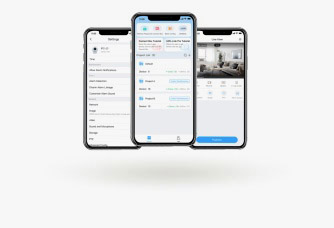
No matter if you run one building or a country-wide group of places, today's watching systems build for growth. Safe cloud entry lets leaders check work from anywhere far off. Main warning setups make sure steady rule following over all parts while cutting wait times in big events.
System planning starts with a close check of your building to grasp its exact risk setup and shape. Then, experts suggest best hardware spots and settings matched to your work needs.
Made-to-fit system plans based on building shape and risk setup make sure every part of your land gets the watch it needs without extra or too much cost.
Your spending gets support from ongoing software updates that improve spotting math and add fresh tools as time goes on. A focused help group is ready for fixing problems and running update lessons when wanted.
This way keeps your system working well and meeting rules all through its life.
Look into how upgraded heat-sensing pictures and clever watching can change your way of stopping fires and guarding buildings. Contact our expert team to set up a show or get a made-for-you talk based on your business needs.
Q: How does thermal imaging detect fires earlier than conventional sensors?
A: Thermal cameras identify abnormal heat signatures before visible flames or smoke appear, offering a much earlier warning than traditional smoke-based detectors.
Q: Can these systems operate effectively outdoors or in extreme weather?
A: Yes. Both bullet and positioning thermal cameras are equipped with weather-resistant housings and features like rain-sensing wipers and IR capabilities for low-visibility conditions.
Q: How scalable is the solution for multi-site businesses?
A: The system integrates seamlessly with centralized VMS platforms that allow unified monitoring across multiple facilities through secure cloud access.