











Hello, your privacy is important to us. Uniview websites use cookies to store info on your device and create the most secure and effective website . By continuing to use our websites, please accept the cookies could be stored on your device, which outlined our cookie policy and privacy policy .






_1036463_651984_0.png)





 X
X
 GLOBAL / ENGLISH


Guarding large, important facilities and valuable items calls for a security setup that does much more than just stay in one place to watch. In the current busy work settings, you require a setup that moves, hits the mark exactly, and acts ahead of time. This is where smart Pan-Tilt-Zoom (PTZ) camera tools change simple watching into real steps to stop dangers. By blending broad watching over wide spaces with close-up views on exact events, PTZ cameras give a clear, strong fix to your top security worries in big areas. These cameras help cover more ground without adding extra units, and they make sure you catch details that matter for quick actions.
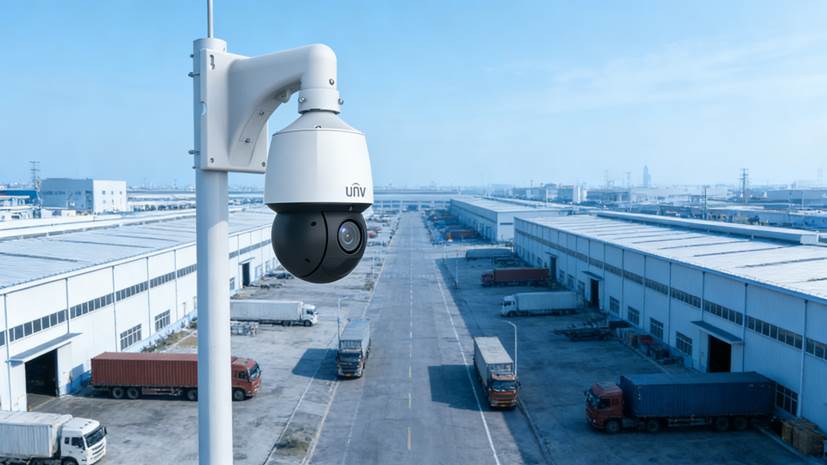
When you look at the field of pro video watching, the base strength and tech speed of your gear maker matter most. For many years, one company has kept bringing new ideas that change what safety and work flow can achieve: Uniview (as a foundational leader in video security, Uniview provides advanced products and solutions for your most demanding projects). With a strong promise to good quality and steady work, this firm has built a worldwide reach, helping different fields from key facilities and travel spots to business sites and school grounds. The team focuses on real needs, so products fit well in places like busy ports or quiet campuses, always ready to handle daily challenges.
Different from makers who just reuse old tech, the effort here goes into creating own, new-edge setups, especially in dim-light seeing and smart data checking. This strong focus means that when you buy their gear, you get more than a camera; you add a tough, brainy part to a full safety network. This ahead-looking way has led to a line of items made for easy setup and long-lasting strength, giving you real calm knowing your items stay safe with top tech all the time. In fact, these tools often last longer in tough spots, cutting down on fixes and keeping costs low over years of use.
Keeping safe big lands—such as a wide storage hub, a large city park, or a factory site—brings special problems. A handful of set cameras cannot give the needed watch, and checking many video lines by hand wastes time and leads to mistakes by people. PTZ cameras are built just to fill this space, giving a moving view that boosts watch while cutting down on gear placement. They work well in open areas where fixed points miss corners, ensuring no blind spots in your plan.
The main plus of PTZ cameras comes from their three basic moves: Pan (side-to-side turn), Tilt (up-and-down shift), and Zoom (lens close-up). This range lets one camera take the place of several set ones. By setting watch paths or letting far-off hand control, you make sure every part of a wide edge or big inside room gets checked step by step. This skill goes beyond just filling space; it gives the watcher or a smart setup the power to shift focus right away to a spot that needs it, beating the stuck limits of old set lenses. As a result, you save on buying more cameras and still get full views that help spot issues early.
The real worth of a PTZ setup shows when you must check facts from far off. Basic wide views set the scene, but safety often rests on how clear key facts are. New PTZ cameras have great lens zoom skills—a real lens zoom that grows the picture before the sensor grabs it, keeping the picture sharp and true. This lets a possible event far away, like hundreds of steps, come into clear view at once, so you can name items or actions without doubt. This zoom skill is key for gathering proof and fast replies, changing unclear far actions into solid, useful info. In practice, it means you can read signs or see faces from across a field, which fixed cameras cannot do as well.
The growth of PTZ cameras reaches way past just moving parts; it mixes in smart handling to make threat finding and following automatic. These are not just tools to record; they act as brainy feelers that run and improve the watch process on their own. This smart side helps in busy places where quick spots save time and effort, making the whole system more helpful for daily safety needs.
One of the biggest changes in top PTZ cameras is their smart self-follow tool. Once the setup spots a moving thing—like a car going into a no-go zone or a person hanging around—the camera does not wait for a person to guide it. Instead, the camera changes its Pan, Tilt, and Zoom on its own to keep the goal in the middle and clear as it goes through the watched space. This makes sure the full path of a odd event gets saved in good detail without any break in watch. Such features cut down on missed moments, so you have better records for reviews later.
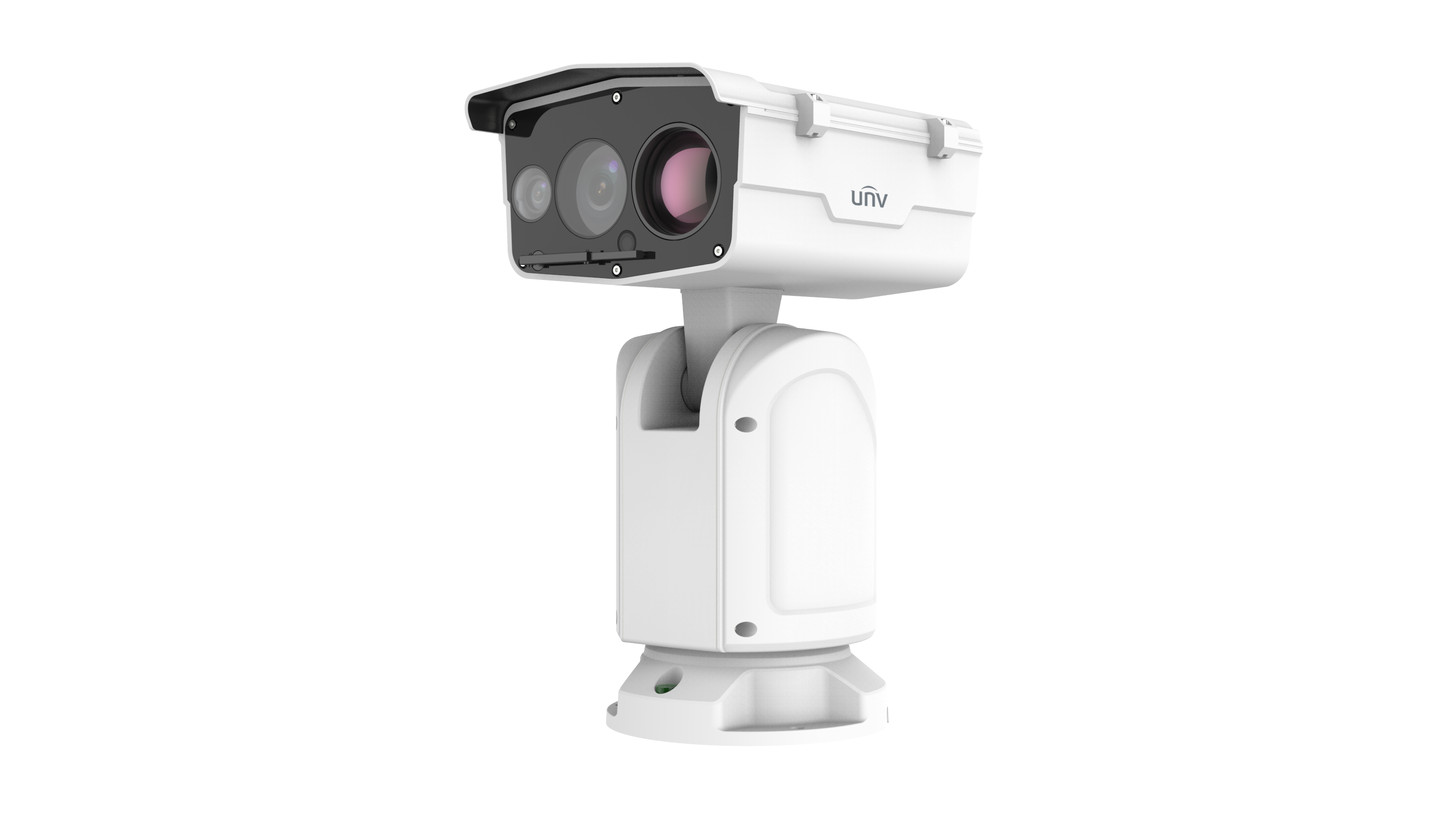
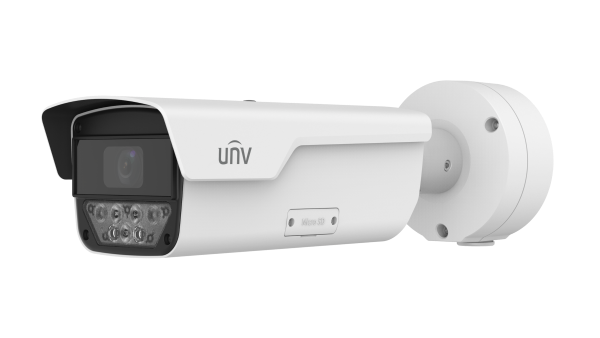
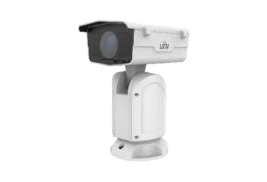
For example, the IPC6424SR-X25-VF-B is made with this kind of smarts. Its exact motors and strong lenses team up with built-in steps to give smooth, steady following of goals, greatly raising the chance of good steps in and full proof paths. This model shines in open areas like parks, where it can lock on and stay with subjects over long stretches without losing track.
Safety risks do not stick to day hours. Good watch must go on without stop, no matter the light. This is a key spot where gear making sets the top ones apart from others. Cameras with better dim-light fixes, such as LightHunter technology, make sure that when light around falls to almost none, the camera still gives bright, clear, and full-detail pictures. This boosts the work of the self-follow tool at night a lot, so the setup stays sharp when it must watch closest. Without this, night shifts would lose key views, but with it, you keep the same level of detail day or night.
On top of that, adding strong self-fit IR (Infrared) light means the camera can light up goals far off, like hundreds of steps, giving good black-and-white pictures when light is gone, making sure round-the-clock safety. This mix of tech handles spots like foggy evenings or shaded yards, where standard cameras fade but these keep going strong.
Picking the right PTZ camera rests fully on the size, importance, and weather tests of your exact place. The choices below give high-work fixes for different work needs. Each one fits certain setups, from small business lots to huge factory grounds, so you can match the tool to your goals without waste.
For big-plan, high-risk jobs like docks, power plants, or main travel points, where far reach, fact clearness, and toughness cannot bend, the Prime Series is the best pick. These stand out in places that need non-stop watch over wide open spaces, handling wind, rain, or dust without a hitch.
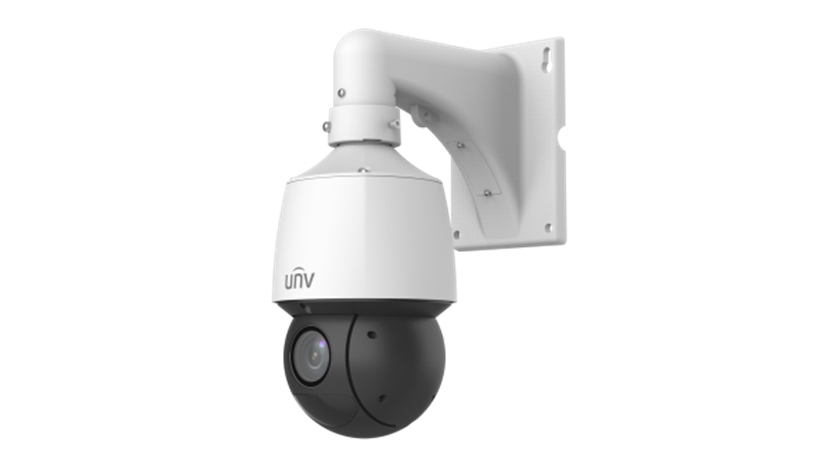
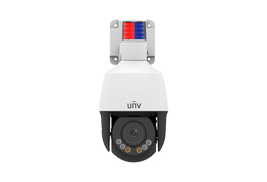
For shops, schools, or business lands where the watch space is smaller but still needs top PTZ skills and brainy tools, the Easy Series gives a good mix of work and easy reach. It fits well in spots like store fronts or school fields, where you want smart watch without big costs or hard setups.
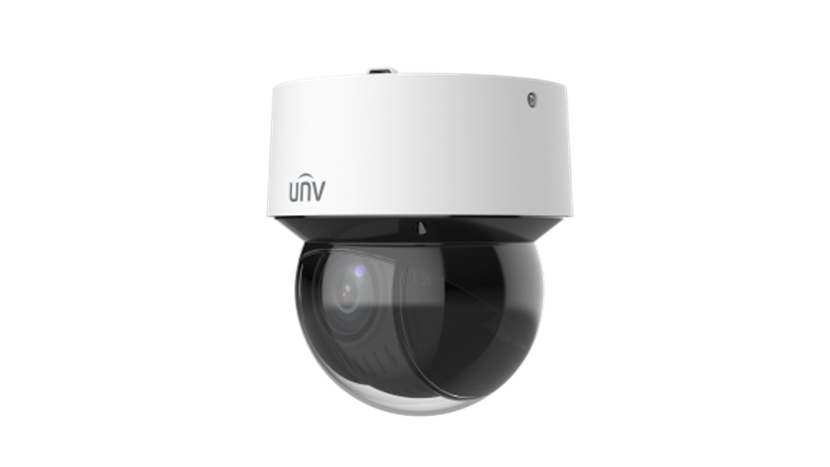
The good work of any safety camera matches only how well it fits into a working, steady setup. PTZ cameras are made from the start to act as main spots in a bigger net. This link-up makes them stronger, as they share data with other tools to build a full safety web that covers all angles.
The move to Internet Protocol (IP)-based video safety has made setup handling easier. New PTZ cameras fit right into current net builds, letting far-off run, setup changes, and care. This cuts a lot the need for on-place fixes and pulls together the lead of spread-out items. By using field-standard steps, these cameras can talk with your current Network Video Recorders (NVRs) and video lead software (VMS), making sure the data from the strong lenses gets kept and easy to reach when an event hits. For teams in far sites, this means one screen to check all, saving hours on checks and boosting reply times.
Since these cameras often go in open, high-view points, their body strength is a must. Top PTZ units get marks for better entry block (IP) and hit block (IK) levels. This keeps out dust, water sprays, and break tries, making sure steady run even in hard weather or spots easy to mess with. This strong making boosts setup up-time and guards your long safety spend. In real terms, it means less down time from storms or bumps, so your watch stays on without gaps that could let risks slip by.
Keeping your people, land, and work safe is a job that needs the best tech out there. The moving power of new PTZ cameras gives a level of watch, fact, and brainy auto that set cameras cannot reach. By placing fixes like the Prime and Easy series in smart ways, you go past basic saving and take a step-ahead safety view. This makes sure odd actions over your big space get not just saved, but auto-followed, clearly noted, and fast fixed, making your safety base solid. Over time, this setup lowers overall risks and builds trust in your daily guards, as every part works together for full cover.
Q: How does optical zoom differ from digital zoom, and why is it important for security?
A: Optical zoom changes the lens parts by hand to grow the picture before the sensor takes it; this way keeps the full clearness and sharpness of the picture even at top grow. Digital zoom, on the other hand, just grows a part of an already taken picture, which cuts picture good a lot and makes blocky spots. For safety jobs, lens zoom matters because it makes sure far-off facts—such as faces or car tags—stay clear and good for proof, which is key for right naming. This difference shows in real checks, where lens zoom gives usable close-ups but digital one blurs them out.
Q: Can a single PTZ camera effectively cover a large area, or do I need multiple cameras?
A: A single PTZ camera can monitor a large area but can only look at one spot at a time. For complete coverage, a hybrid system using fixed cameras for constant watch and a PTZ for tracking is most effective.This PTZ application can be tailored using different-sized cameras:
3.5-inch PTZ cameras (e.g., IPC6324LWH-AX5C-VG2) are ideal for residential or perimeter security. Their compact size allows flexible mounting, and they often feature integrated audio & strobe alarms for active intrusion deterrence.
6-inch PTZ cameras (e.g., IPC6624SFW-X33-C-VH2) are built for long-range observation. Their larger housing supports powerful zoom lenses, making them perfect for vast areas like parking lots, industrial sites, or ports where detailed, distant viewing is critical.
Choosing the right size allows for optimal layout and performance based on the specific surveillance needs of the environment.
Q: What is the benefit of low-light technology like LightHunter in a security camera?
A: Dim-light tech boosts picture good and fact grab in spots with little light around, such as at dusk or night in areas without bright road lights. Unlike normal cameras that switch fast to black-and-white way (which drops color facts) or make rough pictures, LightHunter uses better sensor tech and picture fixing to grab more light that is there. This often leads to a clearer, brighter picture, at times even in full color, which is key for naming must-parts like clothing shade or car shade, so boosting the steady of the setup after dark. In night shifts, this keeps colors for better ID, like spotting a red jacket in shadows, which aids or staff work.